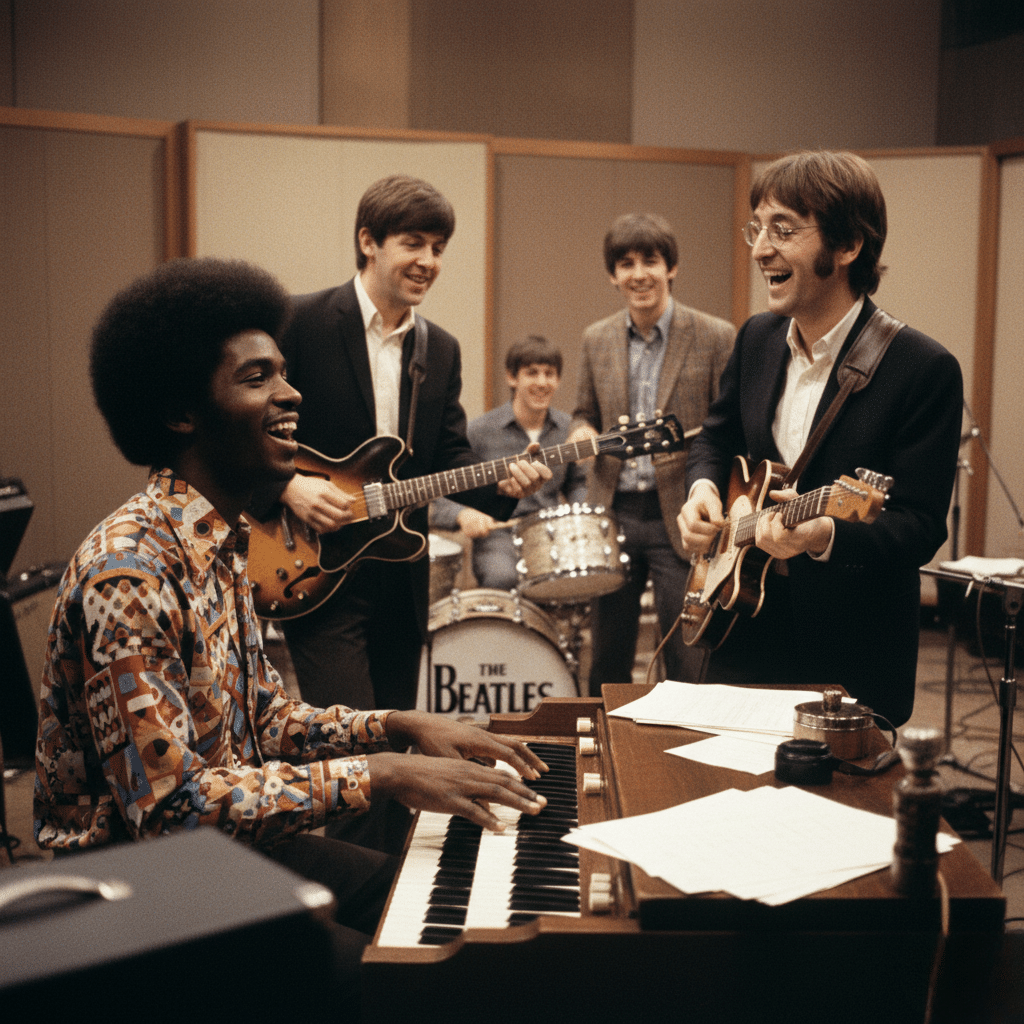

It’s fascinating to consider how the musical legacy of Billy Preston could unite artists today, much like The Beatles did during their time. As a key collaborator with the Fab Four and other iconic musicians, Preston’s contributions fostered a spirit of collaboration and creativity. In this post, you’ll explore how his influence continues to resonate, encouraging musicians to come together across genres and styles, ultimately inspiring a new generation to harness the power of unity in music.
The Legacy of Billy Preston
Musical Contributions
Billy Preston’s unique blend of gospel, soul, and rock laid the groundwork for memorable collaborations, notably with The Beatles on tracks like “Get Back.” His proficiency on the keyboard and vocal versatility elevated songs, making them more dynamic. With a career featuring hits like “Nothing from Nothing,” you’ll find his influence across genres, showcasing his importance in the music industry during the late 20th century.
Cultural Impact
Preston broke racial barriers in a predominantly white rock scene, becoming the first artist to receive a credit as a “musical guest” on a Beatles record. This unprecedented acknowledgment of talent over color contributed to shifting perspectives in the music industry, inspiring countless artists to embrace diversity and influence.
His work not only includes groundbreaking achievements but also reflects a transformative era in music history. With hits spanning multiple genres and collaborations with iconic artists like George Harrison, you can see how Preston’s presence bridged gaps between different musical styles and cultural backgrounds. As a Black artist garnering respect among primarily white bands, his legacy continues to resonate, honoring the ongoing fight for equality while inspiring new generations to break down barriers through music.
The Beatles: A Unifying Force
The Beatles epitomized the essence of musical unity, transcending cultural and generational divides. Their innovative sound and collaborative spirit fostered an environment where artists from various genres felt inspired to work together. This open approach not only redefined music but also promoted a sense of community among fans and musicians alike, echoing the same camaraderie that Billy Preston championed throughout his career.
Collaboration and Innovation
The band’s willingness to experiment with styles and techniques set a precedent for collaboration that encouraged creativity across the industry. By inviting artists like Billy Preston to contribute on tracks such as “Get Back,” The Beatles highlighted the value of diverse perspectives in creating fresh soundscapes. You can see this ethos reflected in today’s music scene, where cross-genre collaborations are a hallmark of innovation.
Lasting Influence on Music
The Beatles’ impact on music extends far beyond their era, shaping countless artists and genres. Their pioneering use of studio techniques, such as multi-tracking and unconventional instruments, continues to inspire musicians striving for new sounds. Bands across the globe cite The Beatles as a primary influence in their creative journeys, demonstrating that their reach is still felt vividly in contemporary music.
The Beatles not only innovated during their career but also laid a foundation for future generations. For instance, their album “Sgt. Pepper’s Lonely Hearts Club Band” shifted how music was perceived, turning albums into artistic statements rather than mere collections of songs. This mentality has permeated the music industry, encouraging artists to approach their work as cohesive experiences. Modern musicians frequently list The Beatles as inspiration, showing their role in shaping the landscape of pop, rock, and even electronic music today. The extensive catalog they left behind serves as a timeless resource for those looking to push boundaries and explore new musical frontiers.
The Power of Spirit in Music
Music possesses an innate ability to evoke profound emotions, and the spirit behind it often amplifies this connection. You can feel the energy when musicians channel their experiences, beliefs, and passions into their art. This spiritual essence creates a bond that resonates with audiences, fostering a sense of community and shared understanding. As you research into a song’s deeper meanings, you might discover reflections of your journey, influencing your perspective and connection to the music and the artist’s intent.
Spiritual Connections in Art
Art and music often serve as emotional conduits, allowing you to explore your spirituality. This connection is evident in how artists draw inspiration from their beliefs, reflecting cultural narratives and personal experiences that resonate deeply. You might find that a particular piece of music invokes a spiritual awakening, catalyzing introspection and unity with others who share that same appreciation for the art.
The Role of Legacy in Music Collaboration
Your understanding of music often evolves through the legacies left by influential artists. These legacies create a framework for collaboration, where musicians draw inspiration from past work while forging new pathways. You see this in how contemporary artists reference classic songs, covering or sampling them to create a dialogue between generations, effectively bridging the gap between the past and the present.
Legacy shapes collaboration by offering a historical context that informs your musical expectations. When artists like Billie Eilish cover a Beatles song, they not only pay homage but also reinterpret those timeless themes for today’s audience. This intergenerational conversation fosters unity among musicians and their fans, uniting you in shared experiences and emotional resonance that transcends time. In recognizing how past artists influenced current trends, you gain insight into the ongoing evolution of music and the communities it fosters.
Potential for Unity in Modern Music
In today’s fragmented music landscape, the potential for unity exists through collaborative projects that draw on diverse genres and backgrounds. Artists like Billie Eilish and Post Malone showcase how blending styles can bridge gaps and create shared experiences. Festivals like Coachella and Lollapalooza bring together artists from multiple genres, promoting a sense of community among fans. By embracing creative partnerships, modern musicians can harness the power of diversity to foster connections that echo the harmony once created by The Beatles and Billy Preston.
Current Collaborations Inspired by Preston
Your favorite artists are increasingly teaming up for projects that reflect the inclusive spirit of Billy Preston. Collaborations like Dua Lipa featuring Elton John and Shawn Mendes joining forces with Justin Bieber highlight a willingness to cross generational boundaries. These partnerships not only result in chart-topping hits but also cultivate a sense of unity among fans who appreciate the rich tapestry of musical influences.
Lessons from the Beatles
The Beatles exemplified how collaboration can yield timeless music while fostering a sense of belonging. Their innovative approach featured artists from various backgrounds, and they consistently broke down genre barriers. By studying these artistic relationships, you can appreciate the importance of collaboration in overcoming differences and celebrating shared musical journeys.
The Beatles frequently invited artists from various backgrounds into their creative process, as evidenced by their work with musicians like Billy Preston, who contributed iconic keyboard lines on tracks like “Get Back.” This approach not only enriched their sound but also demonstrated how collaboration can enhance creativity. Staying open to diverse influences allows you to appreciate the collective power of music, encouraging modern artists to forge partnerships that resonate deeply with audiences and promote a spirit of unity in an ever-evolving industry.
Challenges in Bringing Musicians Together
Bringing musicians together often faces significant obstacles, which can undermine collaborative efforts to create harmonious music. Striking a balance between artistic freedom and group cohesion poses a constant challenge, particularly in an industry marked by individual ambition and competition. Furthermore, the complexities of managing schedules, creative differences, and communication barriers can hinder the unification of talents needed to emulate the chemistry once seen with The Beatles.
Industry Dynamics
The music industry operates under a variety of dynamics including record labels, management, and market trends that influence artist collaborations. These factors can sometimes obstruct the organic formation of music groups, as commercial interests often dictate timelines and project compatibility rather than artistic inclination. For instance, the overwhelming focus on metrics such as streaming numbers may drive artists to prioritize solo projects over joint musical ventures.
Personal Conflicts and Rivalries
Personal conflicts and rivalries significantly impact collaborative opportunities in music, often stemming from artistic egos and past grievances. You might recall the legendary tension between members of iconic bands like Oasis or Fleetwood Mac, which frequently escalated during recording sessions, leading to fragmentation. These internal disputes can create an environment of hostility rather than creativity, stifling the potential for groundbreaking collaborations.
When considering personal conflicts in the music scene, you can draw parallels from high-profile groups like The Eagles, whose members endured bitter feuds, ultimately complicating their reunion efforts years later. Many artists harbor strong opinions about their creative decisions, leading to stubbornness or unwillingness to compromise. Rivalries can incite powerful music but, more often, they prevent collaborative synergy, leaving audiences yearning for the unity and innovation that characterized earlier musical eras. Understanding these dynamics provides clarity in appreciating what it takes to foster successful collaborations amidst inherent tensions.
The Role of Technology in Music Collaboration
As the music industry evolves, technology plays an imperative role in fostering collaboration among artists. Digital tools enhance creative possibilities, enabling musicians to connect, share ideas, and produce tracks regardless of geographic barriers. With the rise of remote recording technology and software, your collaboration opportunities are virtually limitless, allowing unique sounds and styles to merge seamlessly.
Digital Platforms for Connection
Platforms like SoundCloud, BandLab, and Splice have revolutionized how you can discover and connect with other artists. These online hubs not only host your music but also facilitate collaboration by providing tools for sharing your work, seeking feedback, and even co-creating tracks in real-time. Whether you’re a seasoned musician or an emerging talent, these platforms expand your reach and enable meaningful interactions.
Virtual Collaborations and Their Impact
Virtual collaborations have transformed the music landscape, allowing you to work with artists worldwide. For instance, projects like “Songcraft” have brought together musicians from different continents to create singles that blend various cultural elements, showcasing the power of technology in music innovation. These collaborations often yield unexpected results, pushing you to explore new genres and styles while fostering a sense of global community.
Conclusion
Presently, you can reflect on how Billy Preston’s spirit might inspire a new generation of musicians to collaborate and innovate, similar to the legendary unity of The Beatles. By embracing his message of harmony, you may find the potential for diverse artists to come together, breaking down barriers and creating timeless music that resonates globally. The influence of such iconic figures has the power to shape your artistic journey and encourage unity within the music community.