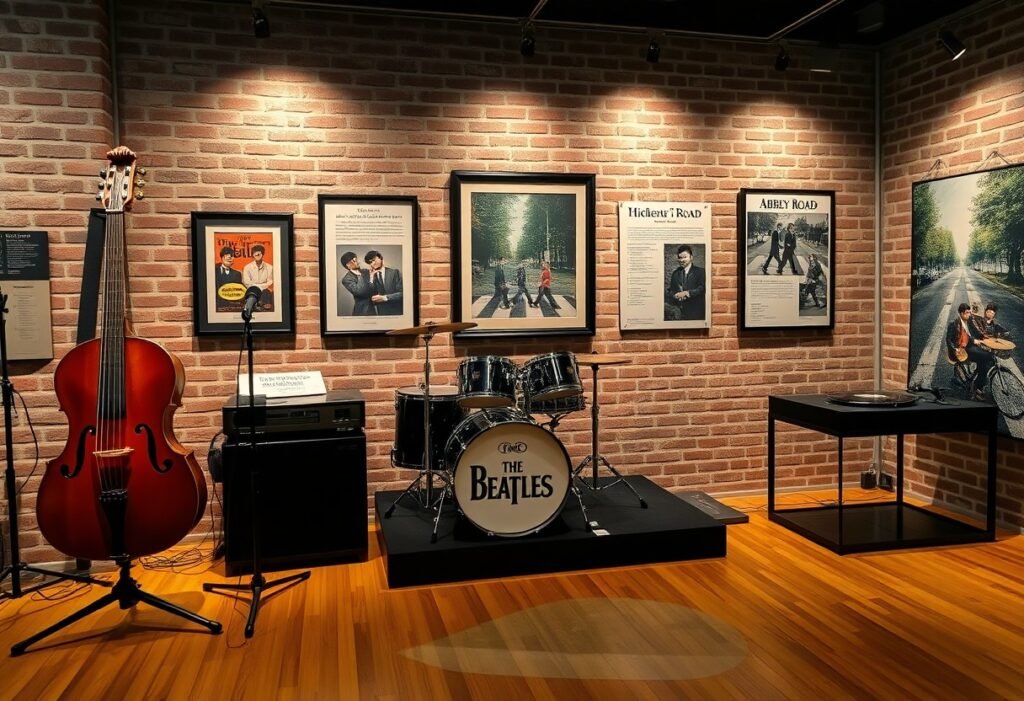

You can join me as I guide you through fun, reflective ways to honor the Beatles’ legacy: listen to remastered albums, host a themed night, explore their songwriting techniques, and discuss the cultural shifts they sparked – including the controversies that shaped modern music. I’ll share practical tips so your celebration feels personal, creative, and respectful to their lasting impact on your musical life.
Key Takeaways:
- Curate listening events that trace the Beatles’ evolution from early singles to late-period experimentation.
- Host live tribute shows, collaborative cover sessions, and themed concerts to celebrate songwriting and performance innovations.
- Organize exhibitions, film screenings, and panel discussions exploring their cultural, fashion, and political impact.
- Offer workshops on songwriting, arrangement, and studio-production techniques inspired by Beatles-era practices.
- Prioritize archival preservation: digitize recordings, document memorabilia, and record oral histories.
- Leverage social media, podcasts, and playlists to engage new audiences and provide historical context.
- Partner with schools, museums, and community groups to integrate Beatles history into education and local programming.
Types of Celebrations
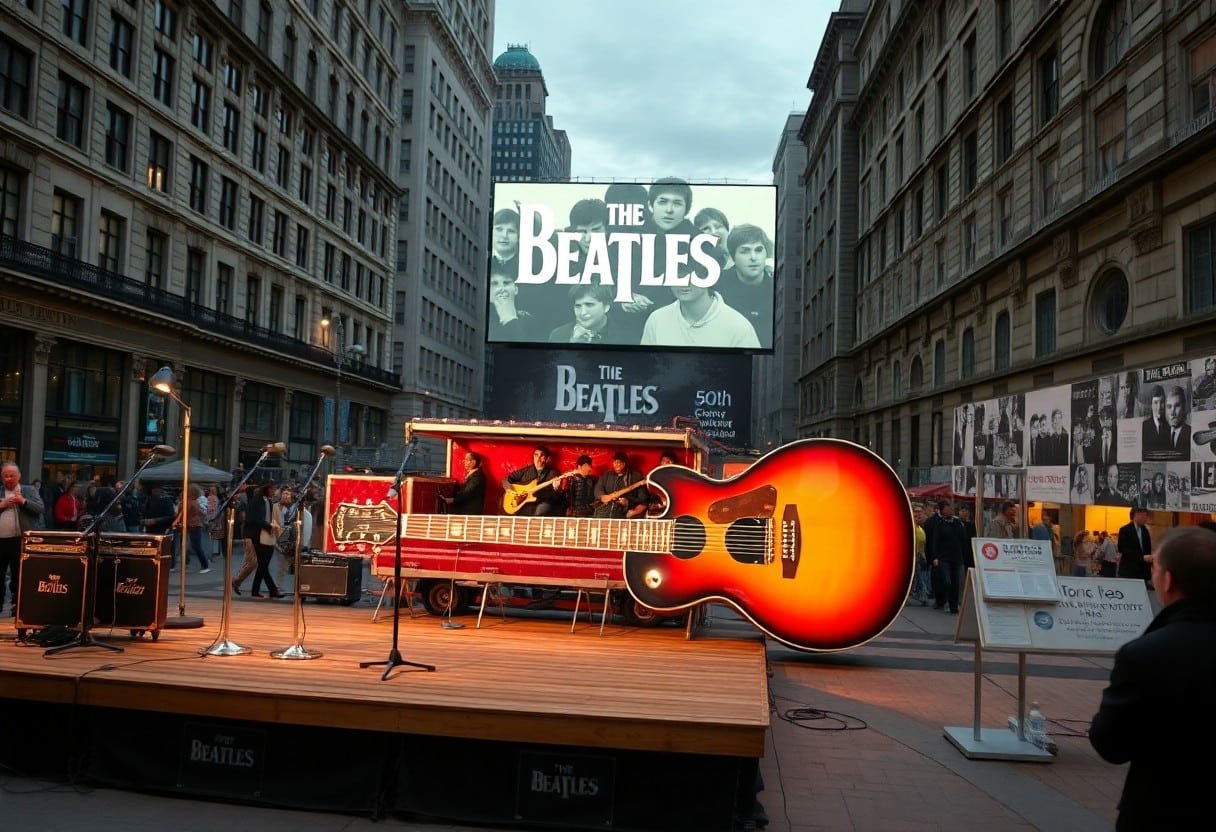
I break celebration ideas into five usable categories so you can pick scale and vibe: live concerts, at‑home listening, street festivals, workshops, and museum exhibits that spotlight The Beatles. I point to historic moments like the 1965 Shea Stadium show (sold 55,600 tickets) and the 1969 Apple rooftop performance as templates for scale and atmosphere. You can mix screenings of A Hard Day’s Night (1964) or Let It Be (1970) with vinyl nights and talks. This helps you match budget, space, and audience expectations.
| Live performances | Tribute bands, arena shows, pub nights |
| At‑home listening | Vinyl sessions, curated playlists, film nights |
| Festivals & parades | Street fairs, Beatles Day events, block parties |
| Workshops & talks | Songwriting clinics, studio technique demos |
| Museum exhibits | Interactive displays, memorabilia, guided tours |
- Live performances – arena to club formats
- At‑home listening – vinyl, streaming, film
- Festivals – outdoor, family‑friendly fairs
- Workshops – educational, hands‑on
- Exhibits – archival, immersive displays
Live performances, tribute bands, and concerts
I often recommend starting with the venue: intimate clubs recreate Cavern Club energy while larger halls echo Shea Stadium’s 55,600‑ticket spectacle. Tribute bands can run from authentic recreations to mashups; you can book a 90‑minute set or curate multiple acts for a festival slot. I schedule soundchecks and set lists around iconic eras-early Merseybeat, mid‑60s studio era, rooftop material-to give your audience a clear narrative arc and high‑impact moments.
At-home listening parties, film nights, and exhibitions
I set up listening parties by pairing albums with films-play Rubber Soul then screen scenes from A Hard Day’s Night, or spin Abbey Road and watch the crossing sequence. You can host small groups with vinyl and a projector, or stream surround mixes and follow track annotations. I recommend printed set lists and short context notes so your guests catch production tricks, release years, and personnel highlights.
I expand on at‑home formats by creating tight timelines: start with a 45-60 minute listening block, include a 15‑minute discussion, then screen a 90‑minute film like Let It Be (1970) or Yellow Submarine (1968). I add tactile elements-vinyl copies, replica tickets, or memorabilia photos-and suggest pairing songs with short stories about studio dates (1965-1970) to deepen your guests’ connection and spark conversation.
Step-by-step Celebration Plan
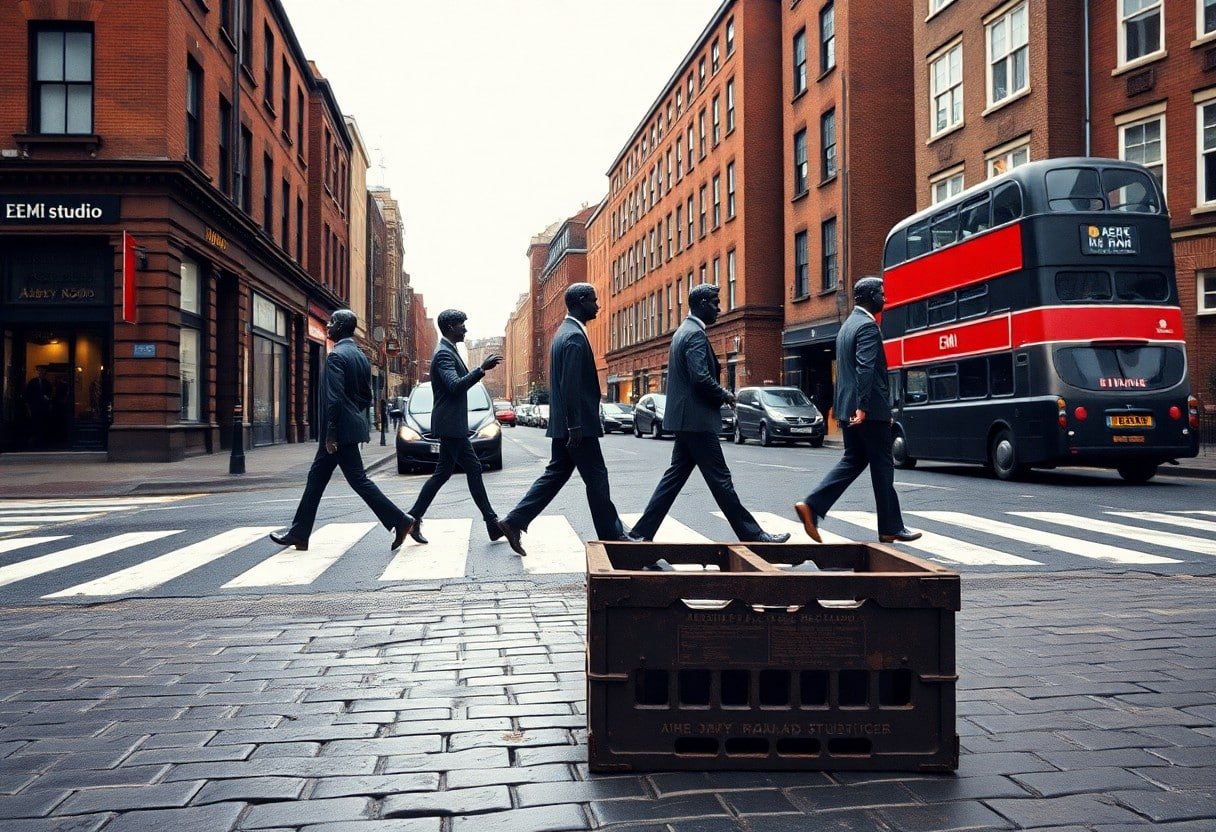
I lay out a five-step plan you can implement in weeks: pick a date and venue with capacity and permit checks, curate a setlist and visuals, book bands or DJs, arrange catering and merch, then promote with RSVP limits. For archival context and inspiration, consult The Beatles It Was 50 Years Ago Today to match era-specific details and setlists.
Plan at a glance
| Step | Action |
|---|---|
| 1. Date & Venue | Reserve 6-8 weeks ahead; check permits, capacity, parking |
| 2. Music & Acts | Pick a 60-90 min headline set plus two 30-min covers; confirm contracts |
| 3. Visuals & Tech | Projector, playlist cues, vintage photos; pack backup speakers |
| 4. Food & Safety | Local caterer, allergy labels, first-aid kit, noise curfew awareness |
| 5. Promo & Tickets | Limit tickets, use social RSVP, email confirmations, ticket scan at entry |
Planning timeline and checklist
I recommend an 8-week timeline: Week 8 secure venue and permits, Week 6 book talent and vendors, Week 4 finalize visuals and merch, Week 2 confirm logistics and run a tech list, Week 1 print signage and send reminders. I always keep a printed checklist with vendor phone numbers, load-in times, and a soundcheck window to avoid last-minute chaos.
Execution day-by-day guide
I break the event into clear days: Day -1 load-in and full soundcheck, Day 0 doors and show, Day +1 teardown and accounting. I assign specific people to parking, doors, bar, and stage calls so you avoid overlap and can handle noise ordinance windows and curfew limits.
For the main day I use hourly blocks: 08:00-12:00 load-in and stage build, 13:00-15:00 band rehearsal and playlist run-through, 16:00-18:00 doors and warm-up DJ, 19:00-22:00 headline sets with a 15-minute intermission, 22:30-23:30 teardown. I keep contingency funds (~10% of budget) and a contact list for quick replacements.
Tips for Making It Memorable
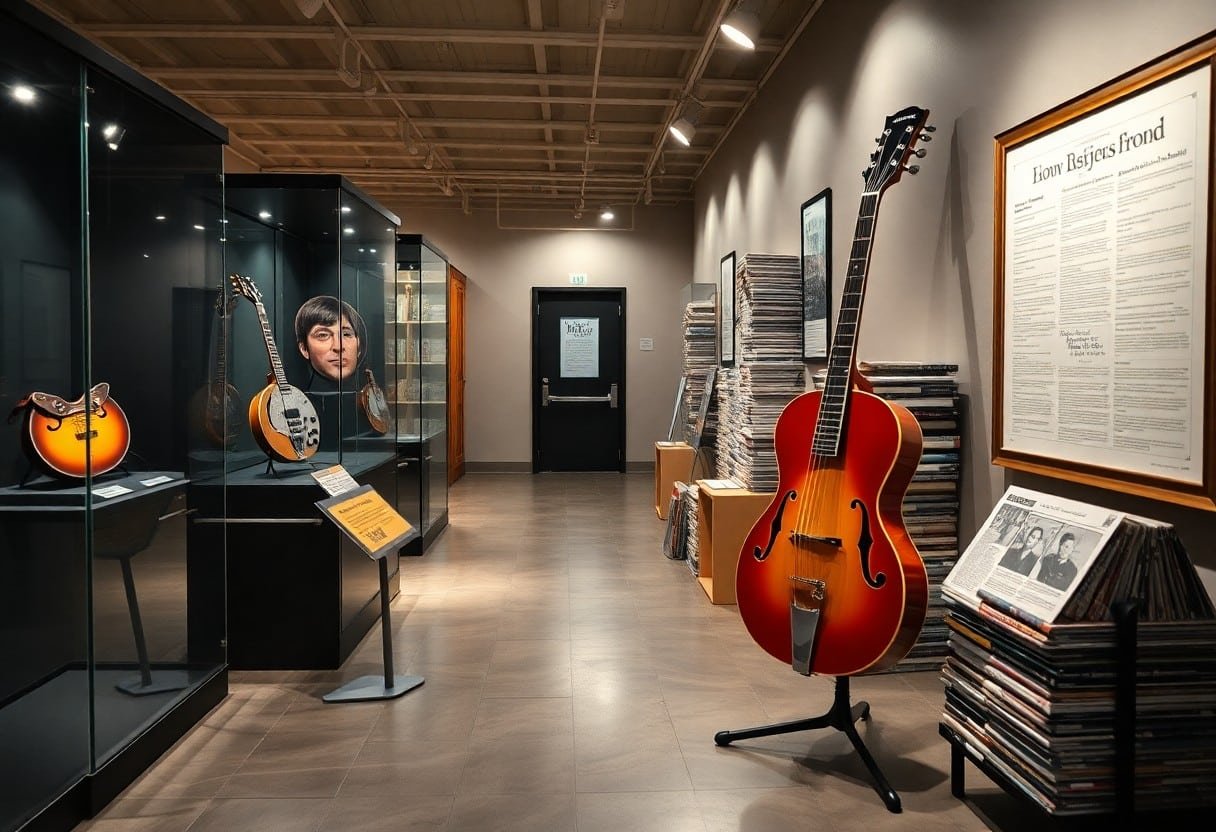
I pick a few high-impact touches: a vinyl corner, timed playlist cues, and a simple photobooth to spark stories about over 50 years of influence; I use a 3-part setlist to mimic a concert flow so energy stays high. I ask guests to post favorite memories in the group The Beatles’ lasting impact on music and culture to widen the conversation and archive reactions. After I add a low-lit lounge area and a props bin, people linger talking about the night.
- vinyl corner
- 3-part setlist
- photo booth
Costume, décor, and playlist tips
I blend eras by suggesting 1963 mop-top suits, Sgt. Pepper colors, or a minimalist Abbey Road look, and I split the playlist into three 30-minute blocks to match those vibes; I recommend one vinyl track per hour for authenticity and a Bluetooth backup for gaps under five minutes. I stage album-cover walls and a small speaker cluster for balanced sound. Any costume contest prize-small vinyl or print-keeps people invested.
- era-specific
- playlist flow
- authentic props
Food, activities, and engagement tips
I plan 3-4 bite-sized snacks per guest, offer one alcoholic and one nonalcoholic signature drink, and label ingredients for common allergens; I slot a 15-minute vinyl listening moment, a 10-question lyric quiz, and a 20-minute photo session to maintain momentum. I use small prizes and a visible schedule so guests know what’s next. Thou make allergy-friendly items obvious and easy to find.
- snacks per guest
- listening moment
- allergy labels
I expand menus with simple, scalable recipes-12 mini Yorkshire puddings with roast beef for 20 guests, a blue nonalcoholic “Lucy” cocktail using blue curaçao syrup substitute, and clear labels for six common allergens; I prepare a 30-question trivia split into three 10-question rounds with a 10-minute lyric-guess finale and small vinyl-themed prizes for winners. I set up a phone-charging station and seating for slower-moving guests. Thou hand out answer sheets after the final round so everyone leaves satisfied.
- recipes
- 30-question trivia
- accessibility
Factors to Consider
I weigh the Beatles catalog, the influence you want to emphasize, and your local audience profile-a 1964-themed set differs from a full-era retrospective. I check permits for outdoor or rooftop gigs, time-of-day sound limits, and merchandising zones, and I consult the Cultural impact of the Beatles to place songs in context. I plan visuals, staffing, and promotion windows. This guides priorities, timelines, and promotional copy.
- Budget vs expected revenue
- Venue size and acoustics
- Licensing and permits
- Accessibility and safety
Budget, venue size, and audience
I set a working budget range-<$500 for a house show, $1,500-$5,000 for a club, $10,000+ for a pro tribute with lights-and choose a venue size that matches expected turnout: 50-200 for intimate sets, 500-2,000 for larger tributes. I price tickets to fit demographics (students $15-25, general $30-60) and factor staff, insurance, and rider costs. This ensures your financial risk aligns with audience expectations.
Licensing, equipment, and accessibility
I secure performance rights through venue-held ASCAP/BMI/SESAC blankets or file setlists if required, and I size equipment-PA for 100-2,000 people, at least two vocal mics and DI boxes, and a 12-24 channel FOH-while planning accessibility features like ramps and hearing assistance. This reduces legal exposure and improves attendee experience.
I contact the venue and PROs 2-6 weeks ahead: venues often cover PRO fees, but if not I get a one-off license or report; for recordings I arrange mechanical clearances via a licensing service. On gear I specify reliable, low-risk choices-Shure SM58 for vocals, active monitors, and a powered PA (QSC K12-style) with a 20-40A power plan-and provide a stage plot and input list to the house engineer. For accessibility I confirm ramp slope, integrated wheelchair spaces, and captioning or assisted-listening options when budgets allow. This practical checklist keeps shows compliant and audience-friendly.
Pros and Cons of Different Approaches
| Pros | Cons |
|---|---|
| Large public events: massive reach and media attention (Beatles at Shea drew ~55,600 in 1965), strong merch and sponsorship potential. | Large public events: high production and security costs, complex permits, and significant crowd-safety risks. |
| Intimate gatherings: deep fan engagement, higher perceived value per ticket, easier artist interaction (club formats ~100-300 people). | Intimate gatherings: limited revenue and reach, accessibility issues for distant fans. |
| High-tech experiences: AR/VR and holograms (e.g., Tupac Coachella 2012) drive shareable content and remote participation. | High-tech experiences: sizable development costs and potential backlash from purists over authenticity. |
| Low-tech nostalgia: vinyl reissues and listening parties tap the vinyl resurgence (US vinyl sales overtook CDs in 2020) and emotional authenticity. | Low-tech nostalgia: limited scalability, production lead times, and physical logistics/fragility. |
| Hybrid events: combine live energy with global streaming to maximize audience and revenue. | Hybrid events: doubled coordination complexity and higher overall tech/staffing budgets. |
| Educational panels/workshops: strengthen contextual appreciation and partnerships with universities or museums. | Educational panels/workshops: niche appeal and intensive prep for quality content. |
| Pop-up exhibits: immersive artifacts drive local tourism and ticketed interest. | Pop-up exhibits: high rental, insurance, and preservation/insurance expenses for artifacts. |
| Streaming/social-first events: low marginal cost per viewer, real-time analytics, and global access. | Streaming/social-first events: crowded marketplace, discoverability challenges, and platform fees. |
Large public events vs intimate gatherings
I balance stadium-scale tributes-think Shea Stadium’s ~55,600 fans-with club-style nights that fit ~300 people at venues like the Cavern Club. Stadiums deliver major press and sponsorship but demand strict crowd-control planning and can dilute the listening experience. Conversely, intimate shows let me stage Q&As, rare deep cuts, and merch bundles that fans cherish; your trade-off is reach versus the depth of connection and per-event revenue limits.
High-tech experiences vs low-tech nostalgia
I compare spectacle tech-AR/VR apps, holograms (Tupac at Coachella 2012 is a clear case study)-with tactile formats like vinyl reissues and headphone listening sessions. High-tech boosts shareability and remote reach, while low-tech ties directly into the vinyl boom (US vinyl outsold CDs in 2020) and long-term collector value. You’ll weigh upfront tech spend against the emotional pull of physical artifacts for different fan segments.
When I dive deeper, I break planning into concrete pieces: tech productions often need specialized vendors and can take 3-6 months for AR/VR builds or stage hologram setups, with budgets ranging from tens of thousands to six figures depending on scope; licensing and rights-clearance from rights holders can add time and cost, especially for Beatles material. Low-tech projects-limited vinyl pressings of 1,000-5,000 units-require 8-12 week lead times for pressing and incur shipping and storage costs but create scarcity and collector demand. I also map metrics up front: streaming lets me capture viewer data and sponsors expect CPM math, while in-person merch and ticket tiers drive direct ROI. In short, I plan timelines, legal checks, and budget contingencies so the chosen approach aligns with audience size, authenticity goals, and revenue targets.
Summing up
The Beatles’ legacy still shapes how I listen, create, and connect, and I invite you to join in by curating playlists, hosting themed gatherings, supporting tribute artists, and exploring their archives with your own lens; you and I can honor fifty years of innovation by blending study and celebration, passing songs to new ears, and keeping the spirit of curiosity and collaboration alive in your community and my everyday soundtrack.
FAQ
Q: How can I organize a meaningful 50th‑anniversary event to celebrate The Beatles’ influence?
A: Define a clear theme (early years, studio innovation, global impact), choose a format (listening party, tribute concert, film screening, exhibit, workshop or hybrid), and curate content that traces their musical evolution-include original album tracks, alternate takes, demos, and influential covers. Book performers or guest speakers (music historians, producers, local musicians), secure an accessible venue and quality sound/AV, arrange panels or Q&A sessions, create hands‑on elements (instrument demos, vinyl listening stations, remix booths), and provide contextual materials (timelines, song analyses, exhibit labels). Promote via targeted social media, local press, museums, record stores and fan groups; offer virtual streaming for remote audiences and document the event for archives. Coordinate logistics early: rehearsal time, ticketing, staffing, accessibility accommodations, and contingency plans for weather or tech failure.
Q: What licensing and rights do I need to consider when playing Beatles music, screening films or posting event footage online?
A: For public performance of songs at a venue or streamed event, obtain performance licenses through the venue’s performing rights organization (PRO) or directly from ASCAP, BMI, PRS or the local equivalent. Playing commercial recordings publicly may require additional licenses from the recording rights holder or a blanket license held by the venue. If you plan to sync music with video (for event films, livestreams, or uploaded clips) you must clear sync and master‑use rights from the song publisher and the owner of the sound recording; that often involves contacting the publisher and the record label or a rights‑clearance service. If you use Beatles imagery, film clips, or archival materials, secure rights from the appropriate copyright holders or their representatives. When in doubt, consult a rights clearance specialist or an entertainment attorney to avoid infringement.
Q: How can educators and cultural institutions use the anniversary to teach The Beatles’ impact on music and culture?
A: Create interdisciplinary programming: in music classes analyze song structure, harmony, production techniques and arrangement; in history and social studies examine the 1960s cultural context, youth movements and media influence; in media studies explore music videos, films and broadcast appearances; in technology courses demonstrate studio innovations (multitrack recording, tape manipulation). Use active projects-cover arrangements, remix assignments using isolated stems, oral‑history projects with local fans, exhibit design and archival digitization. Host talks with scholars, musicians and producers; screen documentaries and pair them with guided discussions; provide primary sources (albums, interviews, contemporary press) and accessible learning materials. Partner with libraries, museums, record stores and universities for resources, outreach, and community engagement to broaden impact and preserve local records of the celebration.