

Many people credit talent and timing, but I argue Brian Epstein transformed the Beatles from a Liverpool club act into global icons by refining their image, securing their EMI contract, negotiating performances, and shaping media strategy; I show how his business decisions, persistence with labels and promoters, and keen sense of branding changed your view of pop success.
Key Takeaways:
- Discovered the Beatles at the Cavern Club and signed them to his management in 1961.
- Rebranded their public image with tailored suits, professional presentation, and media-friendly behavior.
- Secured the EMI/Parlophone audition and convinced George Martin to record them.
- Used industry contacts to book better venues, national tours, and steady engagements beyond Liverpool and Hamburg.
- Handled business affairs and negotiations, protecting the band from exploitative deals and organizing finances.
- Led targeted publicity and press efforts that increased national media exposure and radio play.
- Coordinated international promotion that helped translate UK success into global and US breakthroughs.
Brian Epstein’s Early Career
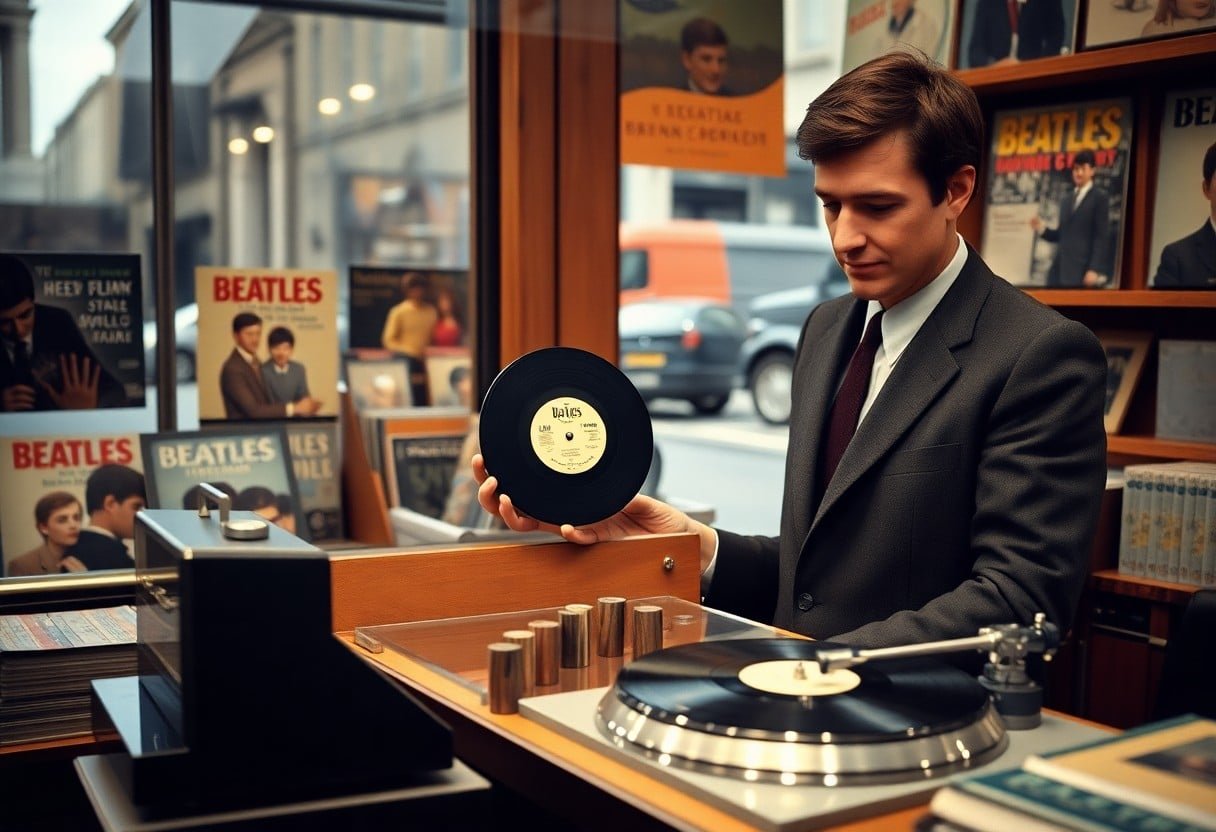
By the mid-1950s I trace Epstein to his family’s North End Music Stores in Liverpool, where he ran the record department and honed retail instincts; born in 1934, he combined theatre sensibilities with a sharp eye for merchandising, testing window displays, listening booths and customer promotions. I link his daily handling of sales figures and label relationships directly to the network and market knowledge he later used to promote the Beatles beyond Merseyside.
Background and Musical Interests
I note Epstein’s eclectic taste-classical, jazz, skiffle and American rock-and how he tracked weekly charts in Melody Maker and Record Mirror to curate NEMS stock. He attended local clubs and used in-store experiments to see what sold, giving him practical marketing skills and an understanding of audiences you can spot in the way he later reshaped the Beatles’ repertoire and public image.
First Encounter with The Beatles
In November 1961 I identify Epstein, then 27, watching a lunchtime set at Liverpool’s Cavern Club and being impressed by their chemistry and song selection. He returned multiple times, recorded audience reactions, and rapidly moved from admirer to active promoter-approaching the band, offering management, and using his NEMS contacts to set up demos and bookings that pushed them toward London opportunities.
I dug into the immediate aftermath and found concrete moves: within weeks he organized demo sessions, financed London trips, and arranged an early-January 1962 audition for Decca (which failed). You can see his hands-on approach in how he photographed and marketed the group, insisted on matching suits and tighter setlists, and kept pressing until Parlophone and George Martin agreed to give the Beatles a real chance in 1962.
Managing The Beatles
I centralized bookings, press, and label negotiations, turning them from a regional Liverpool band into a marketable act. After Decca rejected them on January 1, 1962, I secured the Parlophone audition, coordinated the release of “Love Me Do” (October 5, 1962), and booked national tours and TV spots that expanded their audience beyond club circuits. I also handled contracts, finances, and promoter relations to professionalize every aspect of the group’s career.
Establishing a Professional Relationship
I offered to manage them after seeing the Cavern Club in November 1961 and formalized terms in early 1962, taking a 25% commission. I replaced ad hoc booking practices with fixed contracts, set standardized fees and schedules, insisted on punctual rehearsals, and arranged payroll for session work. Those steps turned unpaid weekend gigs into reliable income streams and made the band presentable to labels and national promoters.
Strategic Changes in Image and Sound
I moved them away from leather jackets to tailored suits and the now-famous mop-top hairstyle, organized professional photo sessions, and pushed for a tighter, radio-friendly sound in the studio. I also supported replacing Pete Best with Ringo Starr, who joined on August 18, 1962, which stabilized the rhythm section and helped secure the Parlophone sessions.
I worked closely with George Martin to shorten arrangements to two-to-three-minute singles, emphasizing harmony hooks and compact structures; that approach produced “Love Me Do” and “Please Please Me” and convinced radio programmers to playlist the records. I coordinated wardrobe changes and publicity angles that framed the group as clean-cut professionals, increasing their appeal to mainstream audiences and accelerating record sales and chart performance.
Developing Their Branding
I recast the Beatles as a coherent commercial package: I centralized publicity through Beatles Ltd, commissioned consistent photo shoots, and coordinated TV and radio appearances to make their name instantly recognizable. By securing a Parlophone contract and steady national airplay in 1962-63, I made it easier for promoters and broadcasters to book them and for merchandise to sell, turning a Liverpool club act into a reproducible brand you could market across the UK and, soon after, internationally.
Introducing the Suit and Tie Look
I persuaded them to trade leather and stagewear for matching suits, ties and standardized haircuts, commissioning tailored outfits and enforcing a neat, uniform silhouette. That stylistic shift opened doors to middle‑class variety halls and mainstream television, including the November 1963 Royal Variety Performance, and simplified press photography and merchandising so venues and sponsors could confidently promote a polished, family‑friendly act.
Creating a Unique Public Persona
I shaped a friendly, witty public persona by coaching interview responses, controlling quotes, and arranging photo sessions that highlighted charm over menace. Using press officer Tony Barrow and photographers like Dezo Hoffmann, I positioned the group as approachable and clever; the US breakthrough I negotiated-culminating in their Ed Sullivan debut that reached about 73 million viewers-proved how effective that cultivated image could be.
By scripting short, consistent talking points and limiting off‑the‑cuff controversy, I ensured every press appearance reinforced the same persona: cheeky, self‑deprecating and boyish. I worked with Tony Barrow on press releases, booked targeted radio spots, and organized staged publicity events and portrait sessions to produce repeatable visuals for posters and record sleeves. You can see the results in the flood of fan magazines, posters and licensed goods after 1963; this tightly controlled public face converted media exposure into sustained demand rather than brief novelty.
Securing Record Deals
I pushed their demos to every A&R desk I could, arranged the ill-fated Decca audition on 1 January 1962 and then refocused my strategy to secure an EMI/Parlophone audition that led to a contract in June 1962. You can see contemporary notes about his management here: Brian Epstein managed The Beatles from 1961 till his … I negotiated terms, controlled press placements, and turned studio access into a national launch pad.
The Importance of Parlophone
I identified Parlophone as the label with the right producer and distribution muscle, and I worked to get George Martin interested; his willingness to experiment and EMI’s Abbey Road facilities gave the band studio credibility. Within months Parlophone financed single releases and national distribution, which I leveraged through targeted press and bookings so your local audiences heard them beyond Liverpool and Hamburg.
Early Recordings and Breakthrough Hits
I supervised the first Parlophone sessions that produced “Love Me Do” (Oct 1962) and “Please Please Me” (early 1963), then organized the rush recording of the Please Please Me album in a single day (11 February 1963). Those singles pushed the Beatles into national charts, and I timed publicity and tour dates to convert airplay into record sales and sold-out shows.
Digging deeper, I coordinated session details-insisting on a firm B-side, negotiating tape time, and pressing for tight arrangements that showcased Lennon-McCartney songwriting. George Martin’s edits and my promotion turned “Love Me Do” into a chart entry and “She Loves You” later in 1963 into a million-selling phenomenon; by aligning release schedules with TV appearances and package tours, I amplified each hit into sustained national momentum.
Navigating Challenges
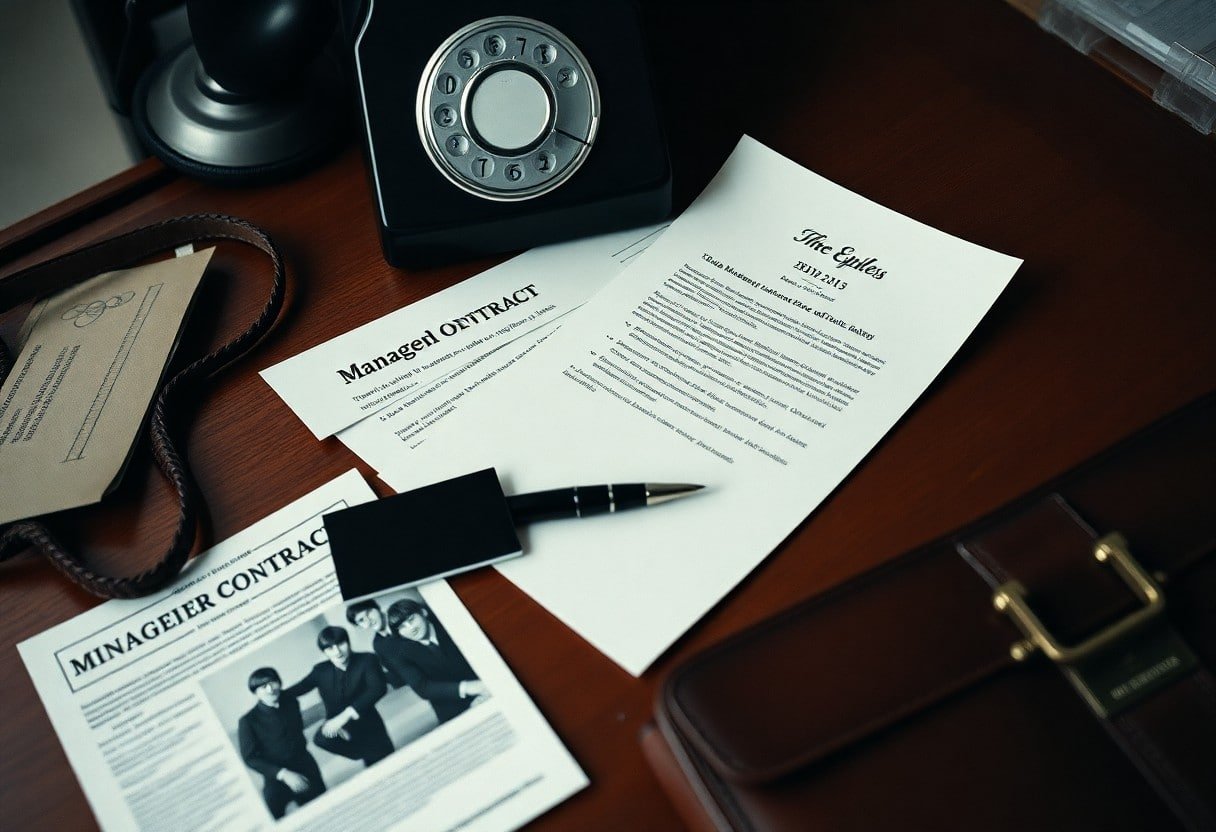
I map how Epstein turned setbacks into momentum: after Decca rejected them on Jan 1, 1962 he pushed for a Parlophone audition that led to a June 1962 contract, managed the fallout from the August 1962 replacement of Pete Best, and engineered high-profile bookings that culminated in the 1964 US breakthrough; for a concise biography I referenced Meet Brian Epstein, the Man Who Discovered the Beatles.
Overcoming Internal Conflicts
I highlight the Pete Best episode as a test of leadership: Epstein brokered the switch to Ringo in August 1962, quelled Liverpool backlash with calm negotiation, and kept the band focused on recording schedules and touring commitments so John, Paul, George and Ringo could settle into creative roles without fracturing management or pay arrangements.
Handling Media and Public Relations
I document how Epstein groomed the band’s public persona-introducing tailored suits, scripting interview boundaries and arranging landmark slots like the Royal Variety performance (Dec 4, 1963) and the Feb 9, 1964 Ed Sullivan appearances that reached roughly 73 million US viewers-to convert press interest into mass-market demand.
Delving deeper, I note Epstein ran a tight PR operation: he issued selective press access, coordinated photo ops, coached the Beatles on concise answers to avoid controversy, and worked directly with UK music papers and US promoters to time singles and TV bookings so publicity spikes matched record releases and tours, maximizing chart impact and ticket sales.
Legacy and Influence
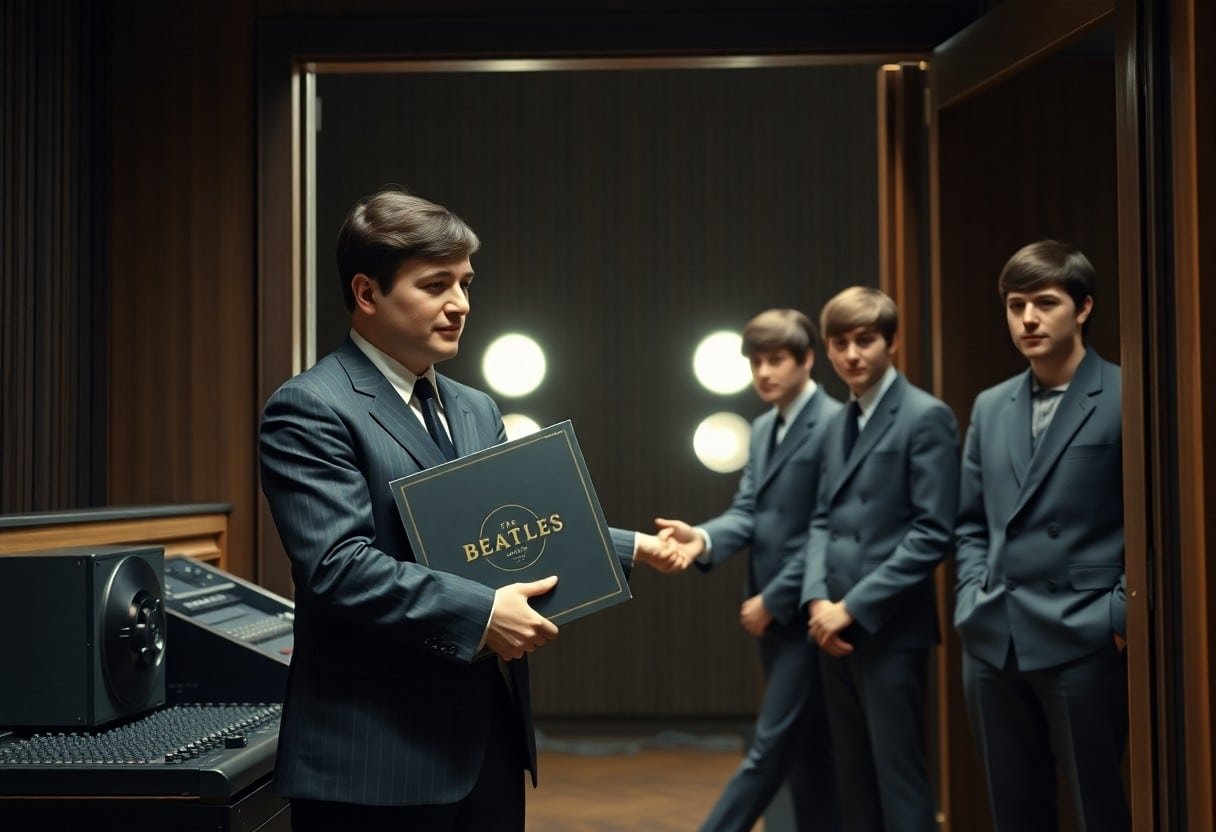
I trace Epstein’s legacy directly in how he secured the Beatles’ 1962 Parlophone deal, pushed “Love Me Do” into release (October 1962) and engineered the 9 February 1964 Ed Sullivan exposure watched by about 73 million; his methods-brand control, tight press management and global touring-are detailed in Brian Epstein: Troubled Life Of The Beatles’ Manager, and you can still see those practices shaping artist careers today.
Impact on The Beatles’ Success
I assess Epstein as the architect of their public transformation: he negotiated recording and publishing terms, insisted on a clean, uniform look and controlled interviews, while securing TV, film and merchandising deals that amplified demand. After signing with Parlophone in 1962 he rapidly moved to national promotion and international bookings, turning Liverpool favorites into a global phenomenon with dramatically increased record sales and sell‑out tours within two years.
Influence on Future Managers and Bands
I note that managers adopted Epstein’s playbook-centralized negotiation, aggressive PR and merchandising-to scale artists beyond clubs to arenas and international markets. When you examine 1960s-70s management practices, his emphasis on integrated media campaigns and revenue diversification becomes a clear template for turning popular acts into sustainable businesses.
I can point to concrete practices Epstein pioneered: using NEMS Enterprises to handle licensing and merchandising, negotiating film and TV tie‑ins (which amplified record sales), and coordinating international tour logistics. Those moves created new income streams-publishing, merch, film rights-and managers who followed used the same levers to win bigger advances, secure favorable contracts and build long‑term careers for their clients.
Conclusion
Now I transformed the Beatles from a Liverpool club act into an international phenomenon by organizing their management, refining their image, securing their EMI recording contract, and leveraging my industry contacts to book national media and tours; I guided their business decisions so you could hear and see them worldwide.
FAQ
Q: What initial steps did Brian Epstein take to turn the Beatles into a professional act?
A: After first seeing them at the Cavern Club in late 1961, Epstein became their manager in early 1962 and instituted immediate changes: he cleaned up their public image (coaching dress, stage behavior and presentation), replaced casual hustling with organized bookings, negotiated steady club and theatre engagements, and insisted on professional punctuality and contracts. He used his NEMS music-store contacts to secure local press coverage and radio play, moving the group from Liverpool clubs into national venues and a higher-profile touring circuit.
Q: How did Epstein secure the Beatles’ record contract and media exposure?
A: Epstein arranged multiple auditions and aggressively shopped the group to record labels after a Decca rejection; his persistence led to a Parlophone audition and George Martin signing the band to EMI in 1962. He orchestrated targeted publicity-placing stories, arranging interviews and press nights, and lobbying for high-visibility appearances (notably the 1963 Royal Variety performance). Epstein also negotiated film and television opportunities and organized the 1964 U.S. campaign, including the Ed Sullivan appearances and American tour, which amplified global exposure.
Q: What long-term business contributions did Epstein make and what were his limitations?
A: Epstein professionalized the Beatles’ business affairs: he negotiated record and publishing arrangements, developed merchandising and film deals (e.g., A Hard Day’s Night), handled licensing and touring logistics, and centralized most commercial decisions so the band could focus on music. His limitations included limited experience with international corporate deal-making and uneven handling of some publishing rights; his personal struggles and death in 1967 left a managerial void that complicated later business disputes and strategic direction for the group.