


Reissues and the surprise release of “Now And Then” have me excited, so I’ll walk you through how I stay updated: follow official channels like Apple Corps and trusted outlets, verify rumors against official news, watch out for fake listings and scams, and where to buy and how to care for your pressings so you can enjoy new vinyl reissues safely and smartly.
Key Takeaways:
- “Now and Then” was completed and released as the Beatles’ final new single, using John Lennon’s demo with Paul McCartney and Ringo Starr finishing the track with modern audio separation techniques.
- New vinyl reissues and remastered pressings of Beatles albums are being rolled out in multiple formats, including mono, stereo, and deluxe box sets aimed at collectors.
- Pay attention to different mixes and masters (mono vs. stereo vs. immersive mixes like Dolby Atmos), as they can significantly affect the listening experience.
- Official sources-TheBeatles.com, Apple Corps announcements, and verified social channels-are the best places for accurate release info and dates.
- Major music outlets and streaming platforms (Rolling Stone, NME, Spotify, Apple Music) provide timely coverage, reviews, and streaming availability for new releases.
- Collectors should check pressing details (mastering credits, lacquer cuts, matrix numbers, limited-edition runs) and act quickly on pre-orders to avoid sell-outs or inflated resale prices.
- Ongoing archival projects and estates suggest more archival releases, reissues, and special editions will continue to surface, alongside solo activity by surviving members that can influence Beatles releases.
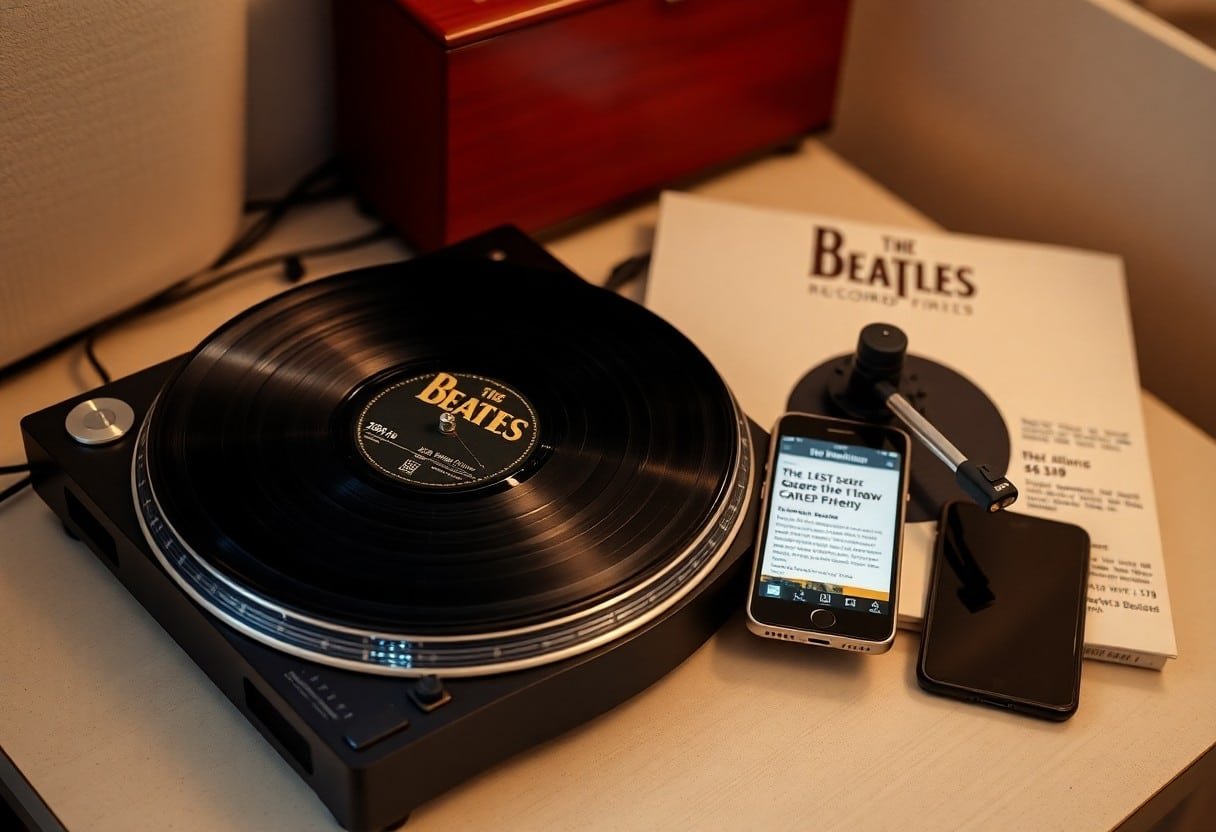
Quick Snapshot of the Latest Beatles News
Types of recent releases (Now And Then, reissues, deluxe editions)
I’m seeing three clear release types: the 2023 single “Now And Then” finished by Paul McCartney and Giles Martin, fresh vinyl reissues with remasters and new masters, and lavish deluxe box sets (multi-disc CDs, Blu‑ray, booklets). Labels are also pushing Dolby Atmos and 7-inch indie pressings for collectors. This pushes both casual fans and audiophile buyers to scan release calendars and pre-order windows.
- Now And Then – final Beatles single finished from Lennon’s demo (2023)
- Reissues – remastered albums on 180g vinyl and hybrid SACD
- Deluxe editions – multi-disc boxes with outtakes and booklets
- Remixes – Dolby Atmos and stereo revisits by Giles Martin
- Limited pressings – colored vinyl, 7-inch singles, numbered runs
| Release type | Example / detail |
| Single | “Now And Then” (2023), Lennon vocal + new production |
| Album reissue | 180g remasters, new catalog sequencing and lacquers |
| Deluxe box | 4CD/1Blu‑ray sets with session outtakes and essays |
| Remix | Dolby Atmos and stereo remixes by Giles Martin |
| Limited vinyl | Colored pressings, numbered editions, indie shop exclusives |
Headlines to watch and why they matter
I’m watching catalog moves, estate decisions, and major reissue dates because they affect availability and pricing; for example, a big anniversary box can spike resale prices by 30-50% within weeks. You should track official press schedules and indie store drops to avoid missing limited runs, and I flag authenticity debates and producer credits as important for collectors.
More concretely, I’d follow upcoming label announcements, expected remaster campaigns, and any archival vault releases – those often include unreleased takes or demos that change scholarship and fan discussion. If a documentary or licensing deal appears, streaming exposure can instantly drive demand, while legal or estate shifts could restrict future releases – I watch those closely so your collecting choices stay informed.
Step-by-Step: How to Catch Up Fast
I focus on high-impact moves: set targeted alerts, follow official channels, and scan specialty sites for reissue news-like The Beatles’ Massive 180g 12LP Anthology Collection …. I set Google Alerts to “as-it-happens” for phrases such as “Now And Then” and “Beatles vinyl reissue,” then skim headlines in 10 minutes to catch interviews, release dates, and archive drops.
Quick Actions to Catch Up Fast
| Action | Why it helps |
|---|---|
| Set Google Alerts & RSS | Delivers mentions-set alerts for “Beatles Now And Then”, “Beatles reissue”, or artist+label terms. |
| Follow official accounts & specialist sites | Apple Corps, official Beatles site, Rolling Stone, Uncut, and analogplanet catch pressings and archival drops fast. |
| Create a tracking sheet | One glance shows source, date, link, priority; useful for managing preorders and review copies. |
| Weekly deep-dive | 30-minute check of feeds and forums uncovers interviews, catalog remasters, and label announcements. |
Set up reliable sources and alerts
I subscribe to the official Beatles newsletter, Apple Corps updates, and two specialist outlets (Rolling Stone and Uncut), plus Feedly for RSS and Google Alerts set to “as-it-happens.” I add Discogs release watches and follow verified accounts on social platforms so you see label pressings, archive finds, and reissue specs-like weight, mastering notes, and release dates-within hours of announcement.
Create a simple tracking routine
I run a quick 10-minute daily scan and a 30-minute weekly review, logging items into a Google Sheet with columns for date, source, headline, link, tag, and action. I mark high-priority items (preorders, promos) so you can act on limited vinyl runs and timed interviews without missing windows.
I keep the Google Sheet minimal: columns are Date, Source, Title, Link, Tag (reissue/interview/archive), Priority (1-3), and Next Action (preorder/research/share). I automate saves with an IFTTT zap that copies starred Feedly items into the sheet and ping my Slack channel for Priority 1 items. I set calendar reminders for release dates and use tags to filter by format (CD/180g vinyl/box set) so you can spot limited pressings and spec changes fast.
Factors to Evaluate Before You Buy
I narrow purchases to three priorities: audio quality, packaging and availability. I check catalog numbers, pressing-plant credits, whether a release uses a 24-bit remaster or a half-speed master, and if bonus material is genuine archive tape or just reproduced photos. I also compare street price versus historic resale for similar runs. Knowing which detail most affects sound or value steers my buy-or-wait decision.
- audio quality
- remaster details
- packaging
- extras
- availability
- price
- pressing plant / matrix numbers
Audio quality and remaster details
I inspect whether a release uses original stereo mixes, the Giles Martin remasters, or new immersive mixes; many recent reissues offer 24-bit/96k transfers and some vinyl are half-speed mastered (e.g., Miles Showell did several anniversary vinyl cuts). I A/B tracks for clarity, stereo image, and dynamic range – a clean remaster typically shows >12 dB usable dynamic range – and I avoid pressings with audible distortion or excess sibilance.
Packaging, extras, availability and price
I weigh physical extras: is the booklet high‑quality, are original photos reproduced, do you get a Blu‑ray or download of the remaster, and is the vinyl 180g? Limited runs often push prices from ~$30 for a single LP to >$200 for boxed anniversary sets, and shipping/imports can add 10-30%. I balance collector appeal against playability and resale potential.
When I dig deeper I verify run-size claims and look for concrete identifiers: UPC/catalogue numbers, matrix/runout etchings, and pressing-plant names (Optimal, GZ, MPO, Record Industry). For example, numbered Beatles box sets have ranged from a few thousand to ~20,000 copies – smaller runs inflate aftermarket prices quickly. I watch for counterfeit pressings (mismatched label art, incorrect dead‑wax inscriptions) and confirm seller reputation and return policy; prices for genuine deluxe sets often sit between $150-$400, while single-LP reissues commonly retail $25-$40, so I factor total cost against how much I’ll actually play the item.
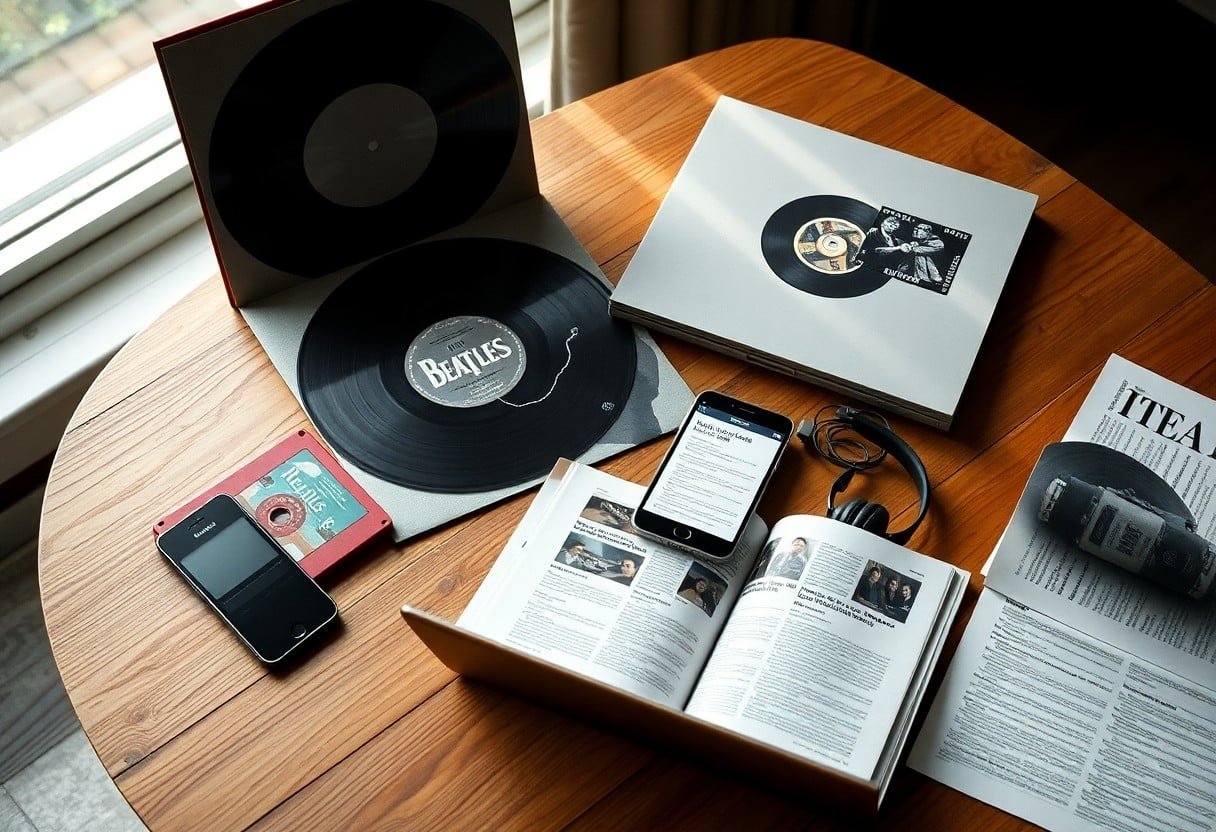
Pros and Cons of Different Formats
I weigh format choices by sound, cost and longevity: 180‑gram vinyl often delivers warmth, CDs give consistent 16‑bit/44.1kHz clarity, and streaming offers instant access (Spotify Premium at 320 kbps, Apple Music lossless to 24‑bit/192kHz). I follow reissue news-like The Beatles’ “Anthology” Award-Winning Documentary details-to judge which format best suits your listening or collecting goals.
| Pros | Cons |
|---|---|
| Vinyl: warm analog sound, tactile artwork | Susceptible to wear, needs care and turntable |
| CD: reliable digital clarity, affordable | Less collectible appeal, limited packaging |
| High‑res (SACD/lossless): greater dynamic range | Requires compatible gear, larger file sizes |
| Streaming: instant access, curated playlists | Access not ownership; dependent on subscription |
| Box sets: archival extras, remasters | Often expensive ($50-$300), can be limited editions |
New vinyl reissues – pros and cons
I get excited by 180‑gram remasters and 45‑RPM pressings that reveal detail; they often include new liner notes and photos, and can appreciate in value. You should expect prices from about $25 to over $100 for deluxe sets, and note that limited pressings mean potential scarcity and inflated resale.
| Pros | Cons |
|---|---|
| Superior tactile and visual experience | More expensive than digital |
| Often 180‑gram or audiophile pressings | Susceptible to surface noise and warping |
| Collector value and special packaging | Limited runs create availability issues |
| Remasters can reveal new detail | Mastering choices may color sound |
| Great for display and gifting | Requires turntable and upkeep |
Digital releases and streaming – pros and cons
I rely on streaming for portability and discovery: services provide instant access to millions of tracks and algorithmic recommendations, and some platforms now offer lossless or high‑res streams. Your tradeoffs are that you typically don’t own files, and artist payouts per stream are very low, affecting niche releases and smaller labels.
| Pros | Cons |
|---|---|
| Immediate global access and cross‑device sync | No true ownership; content can leave catalogs |
| Convenient playlists and discovery tools | Compression can reduce sonic nuances (unless lossless) |
| Low monthly cost (~$9.99) for vast catalogs | Artist revenue per stream is small |
| Some apps offer 24‑bit/192kHz lossless | High‑res needs bandwidth and storage |
| Great for casual and on‑the‑go listening | Metadata errors and inconsistent masters occur |
I want to stress that streaming’s technical options vary: Tidal and Qobuz offer true MQA/lossless tiers, Apple Music added lossless in 2021, and Spotify caps at 320 kbps for Premium; if you prioritize archival quality I recommend downloading verified lossless masters or buying high‑res files, since streaming access can change and don’t guarantee permanent ownership.
| Pros | Cons |
|---|---|
| Lossless tiers enable near‑studio fidelity | Not all platforms carry highest‑quality masters |
| Seamless updates for remasters and releases | Catalog changes can remove favorite versions |
| Easy sharing and social features | Dependent on subscription and internet |
| Lower entry cost than physical collections | Archival collectors may prefer owned media |
| Good for sampling before buying vinyl/CD | Variable mastering can affect listening experience |
Tips for Smart Collecting and Listening
I prioritize condition and verified pressings when hunting Beatles vinyl: I check matrix/runout numbers on Discogs, set budget bands ($20-$300), and prefer sealed reissues for playability. I inspect seams and surfaces with a flashlight and ask you to test spin where possible; I store vertically at 45-50% humidity and ~18-21°C to avoid mold or warp. Thou will find that focusing on condition and verified pressings keeps your collection playable.
- condition
- pressings
- Discogs
Buying tips for collectors and bargain hunters
I hunt bargains on Discogs, eBay, flea markets and local groups; sealed Beatles mono pressings can exceed $300 while common reissues often run $20-$40. I bring a loupe to check seam splits and factory matrix stamps, factor shipping into your offer, and compare seller feedback; I set strict price caps so I won’t overpay when excitement rises. This keeps my collecting sustainable.
- Discogs
- matrix/runout
- price bands
Care, playback and storage tips
I clean records with an anti-static brush before each play, deep-clean every 10-20 plays with a carbon-fiber or gentle wet method, and set tracking force to 1.8-2.3 g. I store albums upright in poly-lined sleeves at ~18-21°C (65-70°F) and 45-50% humidity to limit mold and warp; avoid direct sun and radiator heat near your racks. Assume that neglected storage leads to warp and mold.
- anti-static brush
- 1.8-2.3 g
- poly-lined sleeves
I use a digital stylus scale and a protractor to align cartridges, calibrate speed with a 3150 Hz test tone for 33⅓ rpm, and recommend a 300-500 g clamp for minor warps while avoiding clamps over 1 kg. I replace paper inners with anti-static sleeves (~$0.50-$1 each), check for sleeve ring wear, and advise you to track play counts so cleaning schedules are manageable. Assume that proper setup preserves both your vinyl and cartridge life.
- stylus scale
- 3150 Hz test tone
- 300-500 g clamp
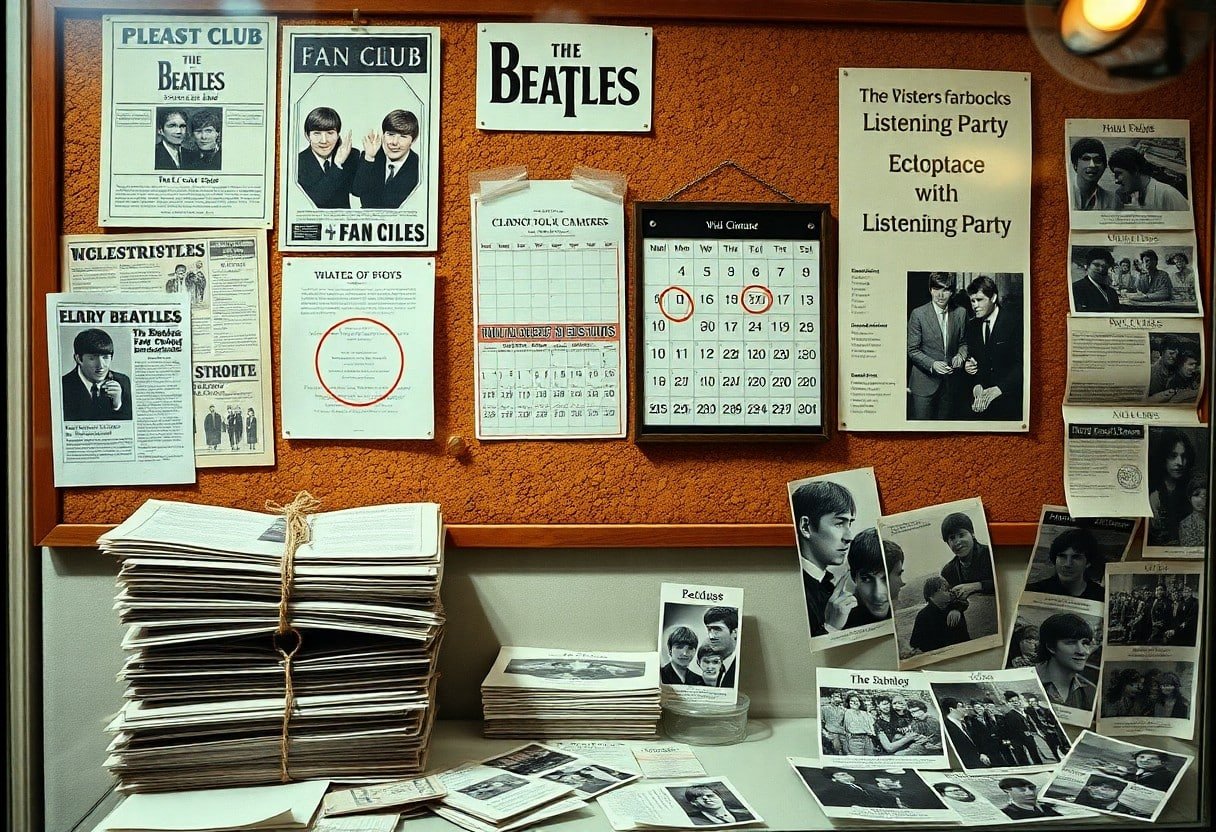
Types of Communities and Events to Follow
I track a mix of official and grassroots hubs: the Beatles official site and Apple Corps releases, fan forums like r/Beatles, specialty podcasts that dissect mixes such as “Now And Then,” and in-person moments like Record Store Day drops and anniversary listening parties; I follow press cycles, subscribe to newsletters, and join local groups so I catch limited vinyl reissues and live events as they appear.
| Fan communities | Subreddits, Facebook groups and dedicated forums where Beatles bootleg and lore threads surface quickly. |
| Official channels | TheBeatles.com, Apple Corps press releases and legacy artist social accounts for confirmed news. |
| Online media | Podcasts and newsletters that analyze mixes, like album-by-album deep dives and BBC retrospective specials. |
| Local events | Record Store Day (annual April), vinyl fairs, shop listening parties and anniversary screenings. |
| Collectors’ networks | Dealer mailing lists, Discogs sellers and vinyl-focused meetups that trade reissue drops and rare pressings. |
- Online forums and social feeds
- Podcasts and curated newsletters
- Record-shop events and local fairs
- Official Beatles announcements
- Collectors’ networks and Discogs groups
Online forums, podcasts and newsletters
I subscribe to a few focused newsletters and follow podcasts that timestamp announcements, so you get contextual takes on releases like “Now And Then.” I monitor r/Beatles threads and specialty forums where collectors post photos and matrix numbers, and I use episode timestamps and newsletter digests to prioritize which drops to chase.
Local record-shop events, fairs and listening parties
I scout local shops for Record Store Day plans, in-store listening nights and vinyl fairs; you’ll find limited vinyl reissues and exclusive pressings there, but watch for scams and counterfeit pressings when buying secondhand.
I call or follow my nearest stores (many post events on Instagram or via store newsletters), arrive early for limited pressings, and compare catalog numbers against Discogs; you’ll often find exclusive hand-stamped sleeves or numbered runs, and shops sometimes host Q&A sessions with local DJs or archivists that reveal pressing details. Perceiving local demand helps you snag limited vinyl reissues.
To wrap up
Drawing together my picks and the latest releases, I’ll help you catch up on “Now And Then”, new vinyl reissues and the broader context from ‘The Beatles Anthology’ Expanded Nine-Part Documentary …, so you can enjoy, collect and share your favorites.
FAQ
Q: Where can I find reliable, up-to-date Beatles news and official announcements?
A: Follow the official sources first: the Beatles’ own website (thebeatles.com) and Apple Corps’ press releases, plus the official Beatles accounts on X (Twitter), Instagram and Facebook. Subscribe to the Beatles’ and Apple Corps’ email newsletters and the official store release alerts. Supplement those with reputable music outlets that cover archival releases in depth – BBC Music, Rolling Stone, Pitchfork, NME and Mojo – and with industry sources like Universal Music/Capitol press pages for label announcements. Use an RSS reader or set Google Alerts for key terms (Beatles, Now And Then, Paul McCartney release, Beatles vinyl reissue) to capture press updates and interviews as they appear.
Q: How can I follow developments specifically about “Now And Then” – production details, credits, and subsequent releases?
A: Track official statements from Apple Corps and interviews with the people involved (Paul McCartney, Ringo Starr, Giles Martin, engineers) published in major outlets and trade press. Read the full press releases and liner notes on digital and physical releases for session dates, credit listings and restoring/mixing techniques. Watch documentaries, radio interviews and producer/engineer deep dives on platforms like YouTube and podcast episodes that publish verbatim credits. When a remix, extended edition or boxed set appears, check the product’s metadata on streaming services and the physical product’s packaging for mastering notes and bonus material lists; catalog numbers and matrix/runout etchings can confirm which version you have. For archival verification and session histories, consult specialist sites and databases such as The Beatles Bible and official archival pages maintained by Apple Corps.
Q: What’s the best way to track, evaluate and buy new Beatles vinyl reissues without overpaying or getting poor pressings?
A: Monitor label and retailer release calendars (Capitol/UMG, the official Beatles store, Rough Trade, major independent record shops) and sign up for pre-order alerts. Check release details before buying: catalog number, mastering credits (engineer, place and whether it’s half-speed or remaster), vinyl weight (e.g., 180g), pressing country and edition size or color variants. Use Discogs to compare pressings, read seller feedback and current market prices; check the matrix/runout etching in listings to confirm which pressing a seller offers. For limited or Record Store Day editions, prioritize trusted retailers and official announcements to avoid scalpers. When assessing condition and authenticity, verify shrink-wrap seals, barcode/cat numbers, and look for official stickers or obi strips on imports. Keep shipping and storage in mind (use sturdy mailers, store vertically, control humidity) and consult vinyl-focused communities and collector forums for pressing-specific notes and known issues on recent reissues.