
With roots in skiffle, American rock ‘n’ roll and R&B, I examine how artists like Chuck Berry, Buddy Holly, Little Richard, Carl Perkins and the Everly Brothers informed The Beatles’ melodies, harmonies and stagecraft, so you can trace their sonic DNA and apply those lessons to your listening or songwriting.
Key Takeaways:
- The Crickets (Buddy Holly) – concise songwriting, two-guitar/bass/drums band format and close vocal arrangements that shaped the Beatles’ early group identity.
- The Everly Brothers – tight two-part harmonies and acoustic guitar interplay that influenced Lennon-McCartney vocal blending.
- Lonnie Donegan and skiffle groups (e.g., The Vipers Skiffle Group) – DIY, rhythmic skiffle style that launched the Liverpool scene and inspired the Beatles to form and perform.
- Chuck Berry – guitar-driven riffs, storytelling lyrics and stagecraft that informed the Beatles’ rock repertoire and lead-guitar approach.
- Little Richard – energetic R&B vocals, rhythmic intensity and wild performance style that impacted the Beatles’ early covers and delivery.
- Elvis Presley – fusion of R&B and country, charismatic showmanship and broad pop appeal that shaped their performance style.
- Motown and American R&B groups (The Isley Brothers, Smokey Robinson & The Miracles) – tight grooves, soulful melodies and polished arrangements that influenced the Beatles’ pop-soul phase.
The Influence of Rock and Roll
I hear rock-and-roll’s backbone in the Beatles’ early beats: the 12-bar blues phrasing, driving backbeat and short, hook-driven structures that defined 1950s singles. You can map how call-and-response vocals and guitar-forward arrangements shaped songs like “She Loves You” and “I Want to Hold Your Hand,” and I point to specific riffs and rhythmic patterns that the band adapted from jukebox standards into pop masterpieces.
Chuck Berry’s Impact
I trace the Beatles’ guitar vocabulary to Chuck Berry’s work-his double-note riffs and story-song lyrics from hits like “Johnny B. Goode” (1958) and “Roll Over Beethoven.” You can hear Berry’s phrasing in Lennon and Harrison’s intro licks; I note the Beatles’ recorded cover of “Roll Over Beethoven” and their use of Berry’s stop-time accents and narrative verses as direct templates for their own rockers.
Little Richard’s Energy
I attribute much of the Beatles’ vocal attack to Little Richard’s explosive delivery on songs such as “Tutti Frutti” (1955) and “Long Tall Sally” (1956). You’ll hear Paul McCartney imitate Richard’s whoops and falsetto excitement in live covers and recordings, and I see that Richard’s urgent piano-driven grooves pushed the group toward higher-energy, shorter-form performances.
I can point to concrete examples: Little Richard’s pounding left-hand piano patterns and raw tenor shouts informed Paul’s performance on “I’m Down” (1965) and his stage persona. You’ll notice the band borrowing Richard’s stop-start builds, unrestrained vocal breaks and showmanship in early setlists, and I argue those borrowings helped convert R&B intensity into Beatle-pop immediacy.
The Role of Rhythm and Blues
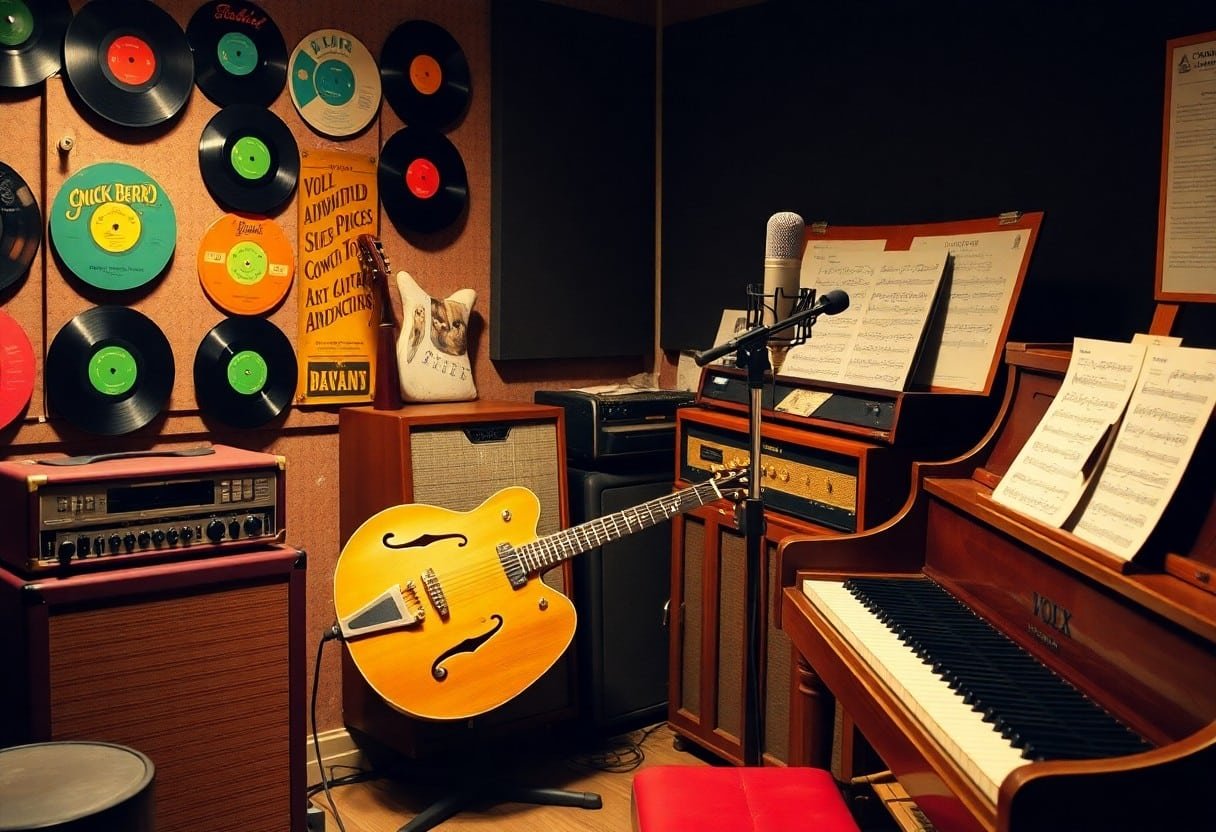
I trace the Beatles’ rhythmic identity to 1950s American R&B singles that flooded Liverpool via jukeboxes and import 45s; by 1962 their Cavern Club repertoire ran 50-60 songs, heavily weighted toward Motown, Stax and Chicago blues, and they cut Barrett Strong’s “Money (That’s What I Want)” on With The Beatles (1963). For a focused contemporary survey I used Who Really Influenced The Beatles? | by Alex Markham, which shows the specific R&B singles they learned note-for-note, and you can hear the tight backbeat and horn-inspired punch throughout their early records.
Influence of Ray Charles
Ray Charles’ gospel-inflected R&B-peaking with 1959’s “What’d I Say”-gave me a model for how emotion and rhythm can coexist; you hear his call-and-response phrasing echoed in John’s rough-edged leads and in Paul’s percussive piano work. During 1961-63 the Beatles borrowed Ray’s syncopated chord voicings and vocal coloring, applying them to pop structures so that songs like “Money” carried both grit and hook-driven melody.
The Sound of Muddy Waters
Muddy Waters’ electric Chicago blues-think Chess Records singles like “Mannish Boy” (1955)-showed me how amplified slide, repetitive riffing, and raw vocal delivery create momentum; you can hear that template in the Beatles’ early grit, especially in their live riff-driven numbers from 1961-63 where guitars push rhythm as much as melody.
Digging deeper, I note Muddy’s production aesthetic-lean arrangements, prominent electric guitar, harp accents from players like Little Walter-gave British acts a vocabulary of tension and release that the Beatles internalized. George and John absorbed those records via Liverpool record shops and skiffle peers; they adapted slide-like phrasing into cleaner pop guitar lines while keeping the dynamics and call-and-response patterns that make blues feel immediate to an audience.
The British Skiffle Movement
I trace how the skiffle boom turned Liverpool basements into rehearsal spaces and pushed John Lennon, Paul McCartney and George Harrison from fans into players; Donegan’s raw acoustic approach and American folk-blues repertoire offered a template I believe they absorbed. You can follow that lineage in early setlists and influences via The 10 musicians who inspired The Beatles.
Lonnie Donegan’s Contribution
I highlight Lonnie Donegan’s 1956 single “Rock Island Line,” which sold over a million UK copies and sparked the skiffle craze; his driving, percussive guitar and energetic stagecraft made amateurs think a few chords and a washboard could fill a hall. You can hear his rhythmic insistence echoed in Lennon’s early strumming and the Quarrymen’s repertoire.
The Popularity of Skiffle
I emphasize how skiffle erupted between 1955-59: thousands of informal clubs, cheap instruments like tea-chest basses and washboards, and accessible three- or four-song sets that let teenagers rehearse weekly. For many, including the Beatles, skiffle was the quickest route from fan to bandleader and live performer.
By 1958 local papers and the BBC were listing skiffle contests and talent nights, and record sales for skiffle singles rose sharply; I point to contemporaneous listings showing dozens of Liverpool skiffle nights monthly, creating a dense local circuit that honed timing, crowdwork and repertoire for future rock acts.
American Folk and Folk Rock
The Legacy of Woody Guthrie
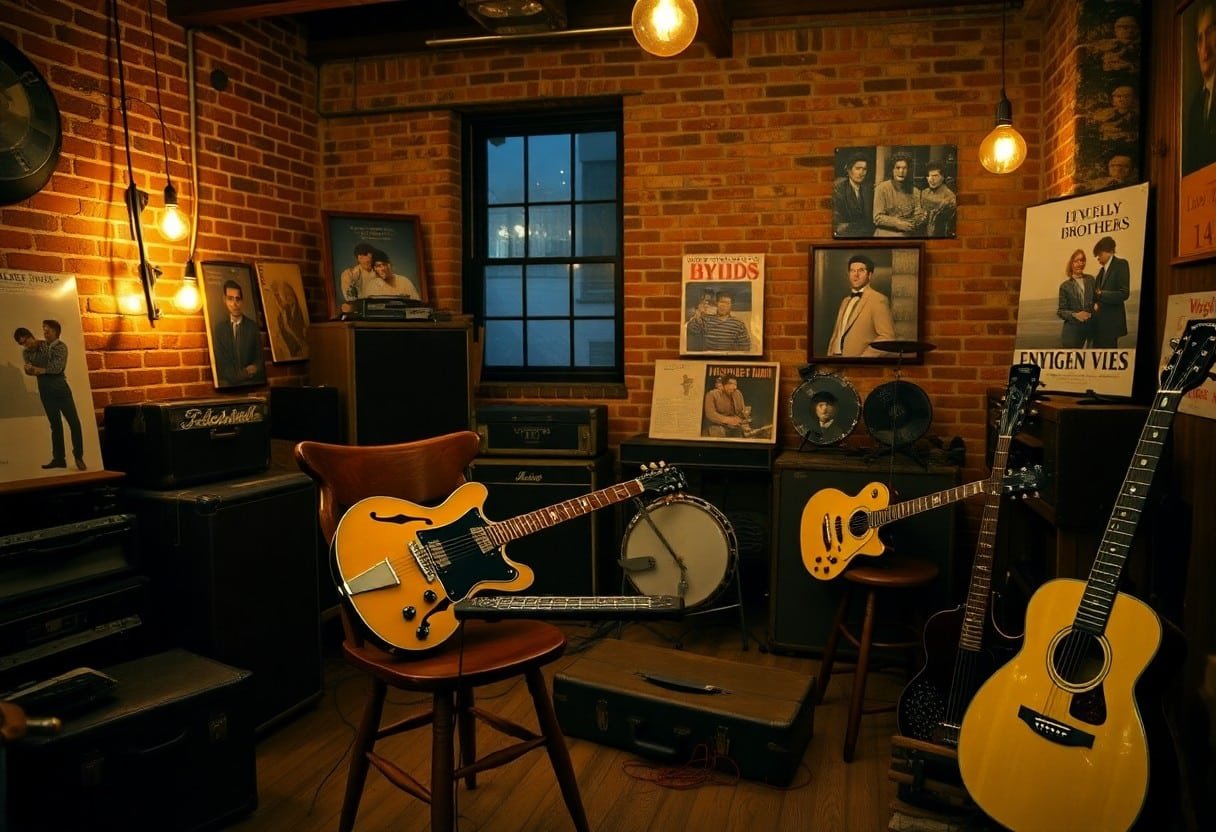
I trace Woody Guthrie’s impact to “This Land Is Your Land” (1940) and his Dust Bowl ballads; you can hear his plainspoken storytelling and topical concerns in the Beatles’ early character sketches. I note his use of simple I-IV-V chord frameworks and singable choruses-Guthrie wrote hundreds of songs-that fed the Liverpool skiffle revival and the working-class narrative approach John and Paul absorbed during their 1957-62 formative years.
Influence of Bob Dylan
I point to Dylan’s 1965 run-Bringing It All Back Home, Highway 61 Revisited, Blonde on Blonde-as the turning point when image-driven lyricism and electric experimentation filtered into the Beatles’ craft. You can hear that shift in “You’ve Got to Hide Your Love Away” and the narrative ambiguity of “Norwegian Wood” (Rubber Soul, 1965); I cite Lennon’s admission that Dylan pushed him toward more literary, less literal songwriting.
Specifically, I analyze Dylan’s use of internal rhyme, enjambment, and oblique first-person perspective, which show up in Beatles songs like “I’m a Loser” and later 1966-67 tracks. You should note how those techniques encouraged the band to embrace conversational vocal phrasing, more ambiguous protagonists, and studio experimentation with instrumentation and arrangement across Revolver and Sgt. Pepper sessions.
Doo-Wop and Vocal Harmony
I trace the Beatles’ vocal approach to doo‑wop: mid‑1950s three‑ and four‑part harmonies, close voicings and call‑and‑response phrasing became melodic templates. You can find statements from contemporaries-see The Beatles deeply influenced us from our records to live …-and hear doo‑wop textures on early Beatles tracks like “Please Please Me”.
The Influence of The Platters
I point to The Platters’ mid‑1950s hits: “Only You” (1955) and “The Great Pretender” (1955) featured smooth lead/baritone interplay, tight phrasing and pop crossover success with multiple Top 10 appearances; you hear that clean, radio‑friendly diction reflected in McCartney’s melodic lines and the Beatles’ habit of doubling leads for maximum clarity.
The Impact of The Drifters
I highlight The Drifters’ 1959 “There Goes My Baby”-with Ben E. King’s lead, sparse horn lines, strings and a Latin‑tinged backbeat-that demonstrated how R&B rhythm could be arranged for pop audiences. You can detect that rhythmic‑pop fusion in the Beatles’ early groove choices and Paul’s bass phrasing on tracks like “I Want to Hold Your Hand”.
I add that The Drifters’ shifting lineup (from Clyde McPhatter to Ben E. King) and producers such as Jerry Leiber and Mike Stoller drove studio experimentation: “Save the Last Dance for Me” (1960) and other Top 10 singles used orchestral touches and inventive percussion. You can trace that studio‑minded approach into the Beatles’ later string experiments on “Yesterday” (1965) and “Eleanor Rigby” (1966).
The Emergence of Merseybeat
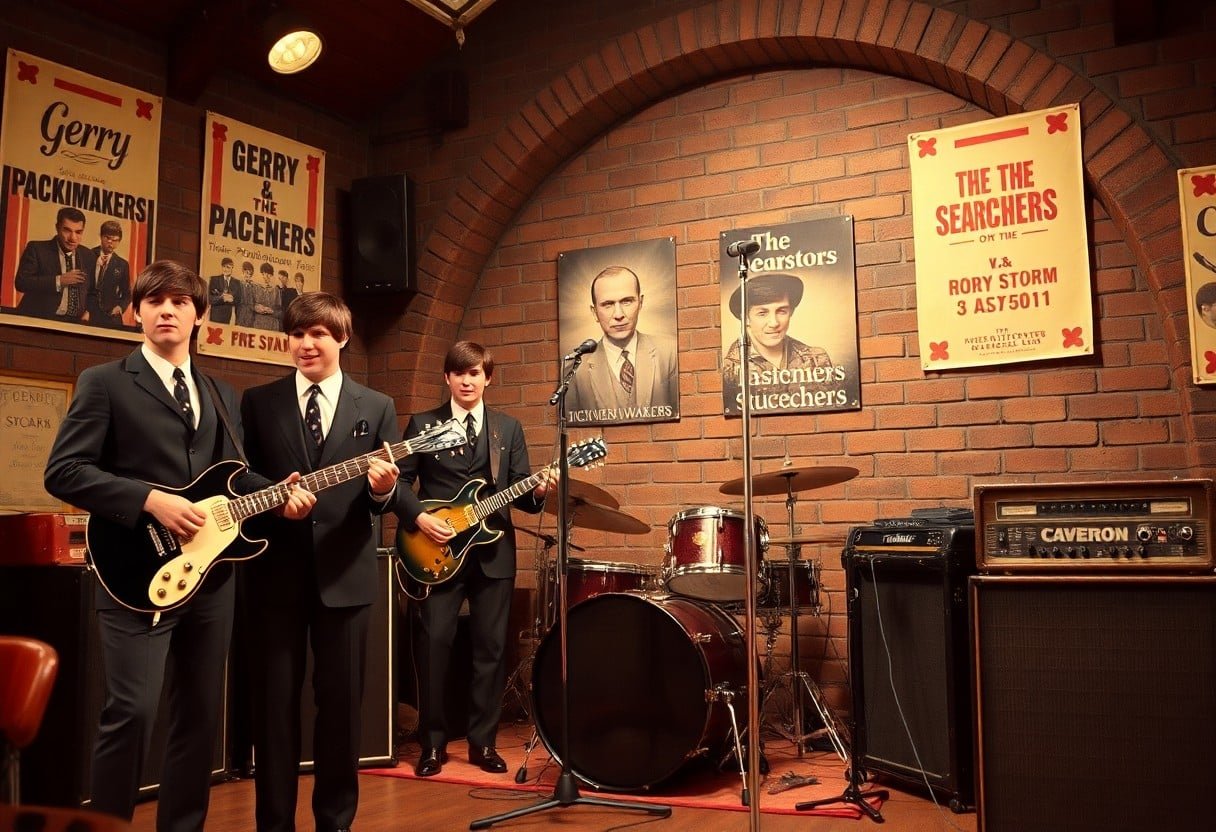
By the early 1960s I saw Merseybeat coalesce around Liverpool venues like the Cavern and the Iron Door, where nearly 300 Beatles performances sharpened a city sound; bands blended skiffle, R&B covers and American rock into short, punchy songs for dance crowds, and you can hear that live energy preserved on 1963 singles that brought local styles to a national audience.
Key Bands in the Genre
I single out Gerry and the Pacemakers (three straight UK No.1s in 1963), The Searchers (“Sweets for My Sweet,” 1963), The Swinging Blue Jeans (“Hippy Hippy Shake,” 1963) and Rory Storm & the Hurricanes (with Ringo Starr) as templates you can compare directly to early Beatles sets; each mixed tight harmonies, hit-ready hooks and a setlist heavy on American R&B covers that shaped audience expectations.
The Sound of Liverpool
You can hear jangly 12-string textures, backbeat-driven snare hits and prominent Höfner bass lines in recordings and live tapes I study; songs averaged 2-3 minutes, favored verse‑chorus forms and featured two- or three-part harmonies built on skiffle and American R&B phrasing, giving Liverpool bands a punchy, radio-friendly clarity the Beatles adapted and expanded.
I note Liverpool groups rehearsed for marathon club nights-bands often played multiple hour-long sets per evening, sometimes several nights a week-so you hear stamina in their tight arrangements; they leaned on Chuck Berry and Little Richard riffs, covered “Roll Over Beethoven,” “Long Tall Sally” and “Twist and Shout,” and used sparse production so that live attack translated directly to early singles and BBC sessions.
To wrap up
Presently I conclude that early bands like the Crickets, the Everly Brothers and the Isley Brothers, together with American rock’n’roll figures such as Chuck Berry, Little Richard and Buddy Holly, supplied the riffs, vocal harmonies and stagecraft that shaped the Beatles’ style; if you listen to their records and early Liverpool sets, you can hear how those groups informed the Beatles’ songwriting, vocal interplay and your appreciation of their energetic live performance.
FAQ
Q: Which American rock, R&B and rockabilly artists most shaped The Beatles’ early sound?
A: Elvis Presley, Chuck Berry, Little Richard, Carl Perkins and Buddy Holly were primary influences. Elvis contributed showmanship and vocal phrasing; Chuck Berry supplied signature guitar riffs and story-driven lyrics; Little Richard brought guttural, high-energy vocal delivery and piano-driven intensity; Carl Perkins added rockabilly phrasing and rhythmic accents; Buddy Holly influenced song structure, tight vocal harmonies and a focus on original songwriting. Motown and early soul acts (for example Barrett Strong/“Money” and other Detroit artists) also informed their sense of groove, phrasing and melodic bass-lines, which they adapted into a pop-rock context.
Q: How did skiffle and the Liverpool/Merseybeat scene affect The Beatles’ musical development?
A: Lonnie Donegan’s skiffle movement inspired John Lennon and Paul McCartney to pick up guitars and form the Quarrymen, giving them a DIY approach to performance and repertoire-building. The Liverpool scene and Merseybeat bands such as Gerry and the Pacemakers and Rory Storm and the Hurricanes provided a competitive, club-based environment (notably the Cavern Club) where long live sets sharpened timing, stagecraft and audience-reading. Covering a wide range of songs-skiffle, pop, R&B and rock-expanded their arranging skills and vocal blending, and the local scene’s emphasis on catchy two- and three-part harmonies fed directly into their early recordings and live sets.
Q: What role did the Hamburg residencies and specific early groups have in forming their signature style?
A: The Hamburg residencies forced The Beatles to play long, loud, high-energy sets night after night, improving stamina, precision and confidence. Sharing bills with local and visiting R&B and rock bands exposed them to grittier rhythm-and-blues approaches and tighter band dynamics. They absorbed raw performance techniques-edgier guitar tones, driving backbeats and extended instrumental breaks-which they combined with their pop sensibilities and harmony work (inspired by acts like The Everly Brothers). That intensive live experience accelerated their transition from a covers band into confident songwriters and arrangers, helping fuse American rock/R&B with British pop to create their early distinctive sound.