


Just as I set out to follow the continuing legacy of George Harrison and Ringo Starr, I invite you to join me in honoring their music, values, and generosity: preserving their recordings and sharing stories, supporting related charities and projects, and staying alert to scams or fake memorabilia that can harm fans. I’ll guide you through listening, attending events, and using your voice to keep their spirit alive.
Key Takeaways:
- Keep their music alive by buying official releases, streaming authorized catalogs, and collecting remasters and vinyl reissues.
- Study and play their styles-Harrison’s slide guitar and Indian influences; Ringo’s drumming, timing, and songcraft.
- Support charities and causes they endorsed and donate to foundations that continue their work.
- Attend or organize tribute concerts, listening events, and educational workshops highlighting their contributions.
- Follow and share official estate channels, archival releases, and authorized documentaries to amplify ongoing projects.
- Preserve memorabilia and recordings responsibly by digitizing, cataloguing, and donating to museums or archives.
- Embrace and promote their values-Harrison’s spirituality and philanthropy and Ringo’s positivity and “Peace & Love” ethos.
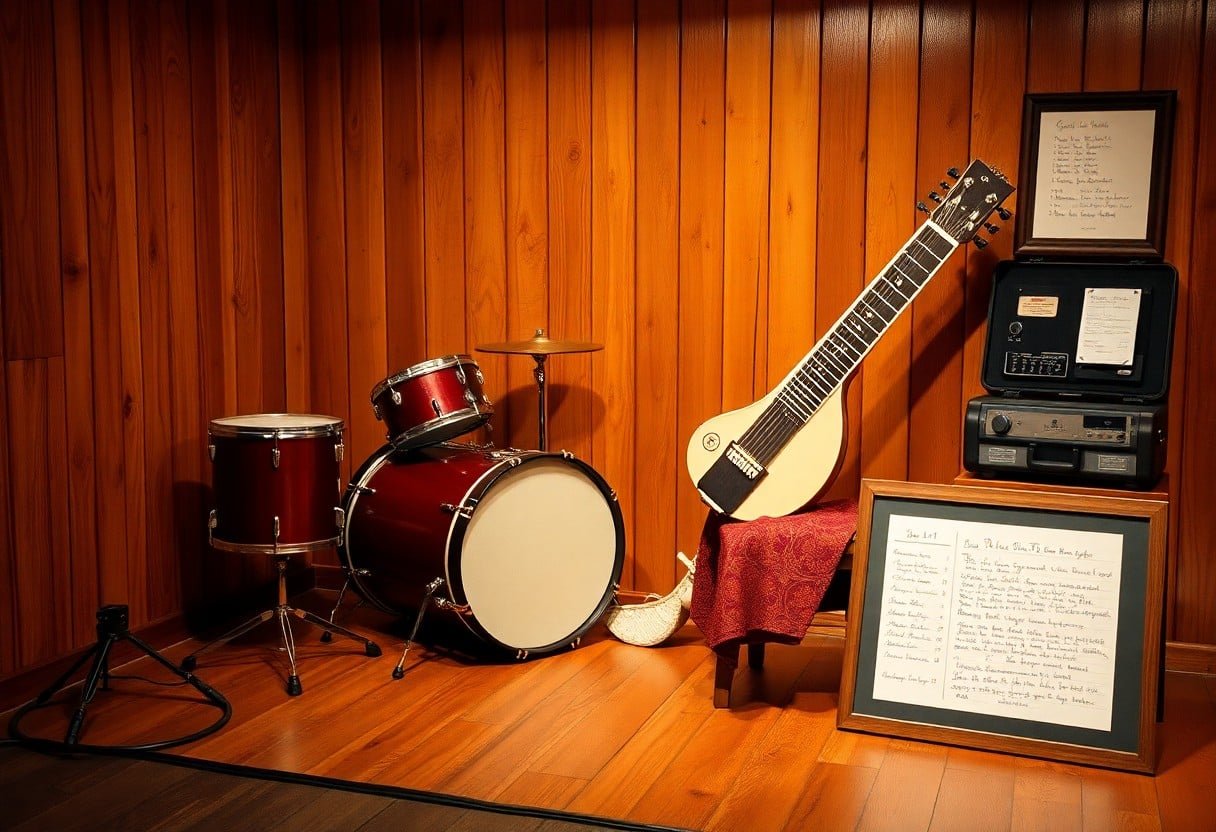
Understanding Their Legacy
I still see their reach in everything I love about songwriting: George expanded rock with Indian music and devotional lyrics-his 1970 triple album All Things Must Pass and the 1971 Concert for Bangladesh set new templates for scale and charity. Ringo anchored the Beatles with a distinctive backbeat that made songs like “Rain” and “Come Together” feel effortless. If you want an overview of how they reshaped culture, read The Beatles’ Legacy: An Unwavering Echo Through Time.
Key themes in George Harrison’s work
I trace George’s themes to spiritual searching, slide-guitar melodicism and cross-cultural collaboration: “My Sweet Lord” (1970) topped charts as a devotional pop single, and his work with Ravi Shankar in the late 1960s brought sitar and Indian modes into mainstream rock. You can study his arrangements on “While My Guitar Gently Weeps” and the breadth of All Things Must Pass to learn how personal faith and sonic experimentation can coexist in pop songs.
Ringo Starr’s influence on drumming and vibe
I admire Ringo’s economy: he built grooves with simple but effective choices-the tom pattern on “Come Together” and the offbeat accents on “Ticket to Ride”-and his fills always serve the song. He launched the All-Starr Band (1989), proving his charisma carries beyond the kit. When you focus on timing, space, and feel rather than flash, you get Ringo’s lasting lesson.
I often point to Ringo’s pocket: he favored patterns that free vocals and guitar, like the reversed textures in “Rain” and the spacious dynamics on “A Day in the Life”. Countless drummers cite his sense of groove and song-first priorities; practice his approach by simplifying parts, locking tightly with the bass, and treating each fill as a transition, not a solo.
Types of Influence to Follow
I map five clear paths that I follow from George and Ringo: songwriting, instrumental technique, production, spirituality, and philanthropy. I study Harrison’s 1971 Concert for Bangladesh model and Ringo’s ensemble leadership in the All-Starr Band to shape practical action. I pick one skill to practice each month, learn a specific technique, and track progress with recordings and small benefit shows.
| Songwriting | I analyze Harrison’s harmony choices on “Something” and write one 32-bar song per month to build melodic economy. |
| Guitar (slide, sitar) | I practice slide phrasing 15 minutes daily and study Harrison’s sitar use on recordings to add texture. |
| Drums (groove, fills) | I transcribe Ringo fills from “Ticket to Ride” and “Come Together” and use metronome drills to lock pocket feel. |
| Spirituality/Philosophy | I read primary sources-Maharishi lectures, Krishna teachings-and integrate short daily meditation sessions for focus. |
| Philanthropy/Activism | I plan one benefit project yearly modeled on the Concert for Bangladesh’s combination of music, advocacy, and fundraising. |
- songwriting
- slide guitar
- backbeat
- meditation
- benefit concerts
Musical (songwriting, guitar, drums)
I focus on concrete techniques: transcribe Harrison’s solo on “While My Guitar Gently Weeps,” practice slide tunings 20 minutes daily, and emulate Ringo’s tasteful fills-study his work on “A Day in the Life” to see how restraint enhances impact. I record a weekly riff or groove and compare waveform dynamics; over six months I’ve improved timing and phrasing measurably.
Cultural and spiritual (philosophy, activism)
I trace Harrison’s 1967 study with the Maharishi, the Beatles’ 1968 India retreat, and Harrison producing the 1969 “Hare Krishna Mantra” single as templates for blending art and belief. I build regular meditation into touring routines and use music to spotlight causes like Harrison did with the 1971 Concert for Bangladesh, which paired performance with direct relief efforts.
I dive deeper by examining Harrison’s methods: he funded and produced the Concert for Bangladesh with Ravi Shankar to aid refugees, leveraged record releases to sustain fundraising, and brought Eastern practices into Western pop-so I adopt a dual approach of spiritual practice plus concrete charity mechanics, using specific partners, budgets, and measurable goals.
Assume that I expect you to pick one of these paths, set a 90-day plan, and report progress so we can refine technique and impact together.
Step-by-Step Guide to Practicing Their Music
I divide sessions into focused goals: tone, timing, technique, and feel. I start slow with a metronome at 60-80 BPM to lock groove, then speed up in 5% increments. For George, I study slide phrasing and modal choices; for context I often read The Culture: The quiet Beatle – George Harrison’s legacy to trace phrasing choices. I record short takes and mark spots where I lose feel.
Practice Breakdown
| Step | Action |
|---|---|
| 1 – Isolate | Loop 4-8 bar phrases, focus on clean execution |
| 2 – Tone & technique | Match amp/gear settings; practice slide, fingerstyle, or stick control |
| 3 – Groove | Play with a metronome and backing tracks; emphasize space and pocket |
| 4 – Context | Play full song, compare recordings, and note stylistic choices |
Learning songs and signature techniques
I learn one song at a time, transcribing key sections by ear and checking tabs. For George I focus on slide parts and modal licks from “My Sweet Lord” and “While My Guitar Gently Weeps”; for Ringo I isolate fills in “Rain” and the steady backbeat in “Come Together.” I spend 15-30 minutes per technique, then reintegrate into the whole song to preserve feel.
Building a routine to internalize style
I schedule daily, short repetitions: warm-up, targeted drills, song work, and a recorded review. I aim for 30-60 minutes a day and weekly check-ins where I compare my takes to the originals and note phrasing differences.
To deepen that routine I use a 6-week cycle: Weeks 1-2 focus on technique (10-20 minutes daily), Weeks 3-4 on repertoire integration (20-30 minutes), Weeks 5-6 on performance and nuance (30-45 minutes). I track progress by logging tempo, error count, and how often I can play a phrase clean at target BPM; hitting a phrase clean 5 times in a row at target speed means I move on. I also practice one disguised constraint-like using a towel for muting or a click on offbeats-to force stylistic choices and build authentic feel.
Practical Tips for Fans and Musicians
I focus practice on small, song-sized goals: 20 minutes daily drilling a slide guitar lick from George, 10 minutes locking a groove like Ringo’s 4/4 backbeat on Abbey Road (1969), and one weekly session on songwriting structure using Harrison’s modal turns. I study isolated tracks and live clips to copy tone and dynamics, then apply them in context with a metronome or band. This builds authenticity and consistency in your playing.
- slide guitar
- groove
- songwriting
Quick tips for listening and learning
I listen actively: loop 8-bar sections, slow solos to 60-80 BPM, and mark arrangement cues; I transcribe short phrases, compare versions (studio vs. live), and note how Harrison layers parts on tracks like “My Sweet Lord.” I also use a metronome and play along with isolated drum stems to lock pocket and feel. The most effective quick wins are focused loops, targeted transcriptions, and timed practice blocks.
- listening
- transcription
- metronome
Community and collaboration tips
I join or create small groups-4-6 players for a 90-minute weekly jam-to practice arrangements, trade parts, and rehearse dynamics; I bring specific goals like nailing Ringo’s fills or Harrison’s slide solos and rotate leadership each week. I also attend tribute nights and online hangouts to test ideas in front of an audience and get feedback. This accelerates skill and builds connections that lead to real gigs and projects.
- community
- collaboration
- tribute nights
I scale collaboration by organizing themed sessions: one week focuses on rhythm and pocket with a drummer, another on harmonic texture with two guitarists, and occasional recording nights where we capture 1-2-song takes for review; I recommend using shared DAWs like BandLab or a private Dropbox for stems, keeping sessions to 90 minutes and 3-4 takes per song to stay efficient. This produces usable demos and stronger group chemistry.
- recording
- DAW
- group chemistry
Factors to Consider When Choosing Your Path
When I pick a direction I compare concrete variables: 10 hours/week of practice vs. a lighter pace, a budget of $500-$1,500 for basic home recording, or time spent booking shows with 10-15 venues targeted in a year; for instance, building a reliable 60-minute set usually takes 6-9 months at steady practice. Recognizing how those trade-offs affect your momentum and sustainability helps you choose a path that fits life and ambition.
- Time
- Skill
- Resources
- Goals
Time, skill level, and resources
I assess where you are: as a beginner, 5-10 hours/week for 6-12 months often yields solid repertoire and comfort performing; intermediate players typically need focused months (3-6) to record a demo. Lessons run $30-$80/hour, and gear ranges from $200 (basic) to $2,000+ (pro). I warn against overextending financially before you have steady gigs or sales.
Personal goals and authenticity
If your aim is honoring George or Ringo, I balance faithful interpretation with your voice: learning Harrison’s slide phrasing on “My Sweet Lord” and Ringo’s tasteful fills on “Come Together” matters, but so does bringing your perspective. I prioritize songs that let you be sincere rather than mimic exactly, which connects stronger with audiences.
I often advise a pragmatic setlist split: start with 60% well-known covers (Beatles/solo hits) and 40% originals or reinterpretations to establish identity; a working tribute artist I know played 20 Harrison-era songs and 10 originals and moved from 100-seat bars to 200-300 capacity rooms within 18 months, increasing fees from about $150 to $600 per show. That model balances familiarity with personal growth.
Pros and Cons of Different Approaches
Pros and Cons
| Pros | Cons |
|---|---|
| Deep authenticity: mastering Harrison’s slide on “Here Comes the Sun” or Ringo’s steady backbeat | Creative limits: you may feel boxed into reproducing existing work |
| Skill growth: focused practice builds techniques I use across songs | Time cost: realistic mastery can take months to years |
| Dedicated audience: Beatles fans often support tributes and niche projects | Smaller reach: pure tribute acts can struggle to attract broader listeners |
| Teaching opportunities: students want to learn Harrison/Ringo styles | Licensing risk: public performance or monetized recordings may require permissions |
| Preservation: keeps their techniques alive for new generations | Stagnation risk: relying solely on emulation hinders original output |
| Collaboration: tribute work opens doors to musicians who admire them | Expectations: audiences may expect exact replicas, pressuring performers |
| Revenue potential: tribute shows, lessons, and niche merch can earn income | Upfront costs: gear, rehearsal space, and promotion add expenses |
| Educational impact: I can illustrate history (Ringo’s All-Starr Band since 1989) | Emotional toll: balancing legacy work with personal voice can feel heavy |
Deep-dive devotion vs. eclectic adaptation
I often decide between mastering a narrow set of techniques-slide guitar phrasing from Harrison or Ringo’s signature fills-or blending those elements into my own sound; committing to pure devotion builds credibility with die-hard fans, while eclectic adaptation helps you reach wider audiences and develop original songs influenced by Harrison’s sitar touches or Ringo’s groove, and I find balancing both over a six- to twelve-month project yields the best musical growth.
Performing, teaching, or honoring their legacy privately
I use private avenues-home recitals, one-on-one lessons, curated listening sessions-to honor George and Ringo without public licensing headaches; teaching students Harrison’s chord voicings or Ringo’s time feels rewarding, and organizing invite-only tribute nights for 20-50 people keeps things intimate while letting you preserve authenticity and experiment safely.
In my experience teaching weekly, I break sessions into technique, song study, and contextual history-30 minutes on slide or backbeat, 30 minutes on a specific song like “Something” or “Octopus’s Garden,” and 15 minutes on the recording story; I avoid monetizing Beatles compositions directly to sidestep copyright/licensing issues, instead charging for instruction and original arrangements, which lets me honor the legacy while sustaining my work.
Final Words
On the whole I honor George Harrison and Ringo Starr by listening to their music closely, studying their craft, practicing humility and kindness, and supporting causes they loved; I invite you to do the same-share songs, learn instruments, volunteer, and protect quiet time for reflection-your small, steady actions keep their spirit alive and guide how I live with purpose and gentle joy.
FAQ
Q: How can fans actively support and promote the musical legacy of George Harrison and Ringo Starr?
A: Buy and stream official releases, reissues, box sets and authorized live recordings to support the artists’ estates and labels. Attend tribute concerts, museum exhibitions and sanctioned events; purchase merchandise and licensed memorabilia rather than bootlegs. Curate and share high-quality playlists and essays that place their work in historical context, request their songs on radio and local playlists, and promote newly released archival material. Support archival projects, crowdfunding campaigns or official foundations tied to their estates to help fund preservation, restoration and educational programs.
Q: As a musician, what practical steps help me learn from and honor George’s and Ringo’s styles without copying them outright?
A: Transcribe and study key recordings to understand phrasing, tone and arrangement choices: George’s melodic slide guitar, use of modal scales and subtle textural layers; Ringo’s economy, steady pocket, tasteful fills and musical phrasing. Practice with isolated parts, learn the songs in ensemble settings, and focus on serving the song rather than showcasing technique. Incorporate elements-slide phrasing, melodic drumming, spare arrangements-into original material while crediting influences. When performing covers, obtain proper licenses, adapt arrangements respectfully, and add personal interpretation rather than exact replication.
Q: How can people engage with the cultural, spiritual and charitable aspects of their continuing legacy?
A: Study and share the stories behind their projects-George’s promotion of Indian classical music and benefit concerts (such as the Concert for Bangladesh) and Ringo’s advocacy for peace and music education-then support related causes: music education programs, hunger-relief organizations, cultural exchange initiatives and meditation or wellness centers aligned with those values. Volunteer or fundraise at tribute events and use performances to benefit charities. Participate in archival exhibitions, oral-history projects and fan-community initiatives that document their influence for future generations.