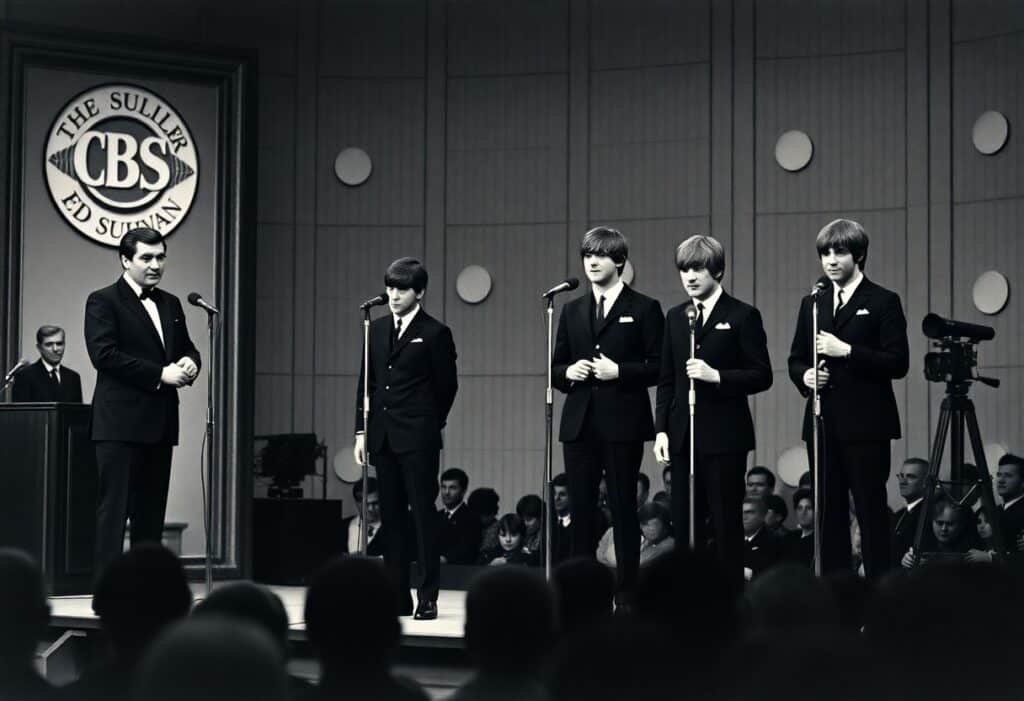

Beatles first Ed Sullivan appearance on February 9, 1964 drew some 73 million viewers and I show you how that televised platform converted pop curiosity into mass fandom: sweeping national exposure, live performances that showcased their charisma, and an endorsement from mainstream media that made your radio stations and record stores respond overnight. I analyze the timing, image management, and cultural context that turned British visitors into American icons.
Key Takeaways:
- Massive primetime exposure: Their Feb 9, 1964 debut reached an estimated 73 million viewers, instantly introducing them nationwide.
- Sales and chart surge: TV appearance produced immediate spikes in record sales and multiple Billboard chart entries.
- Mainstream validation: Performing on a respected variety show signaled legitimacy to older and more conservative audiences.
- Created a cultural moment: The broadcast transformed British Beatlemania into a sustained U.S. phenomenon.
- Media amplification: Extensive press, radio, and TV follow-ups multiplied the impact of a single televised performance.
- Facilitated touring and promotions: Visibility made promoters, labels, and TV producers invest in large-scale U.S. tours and appearances.
- Shaped youth culture: Their music, style, and image influenced American fashion and accelerated the British Invasion in popular music.
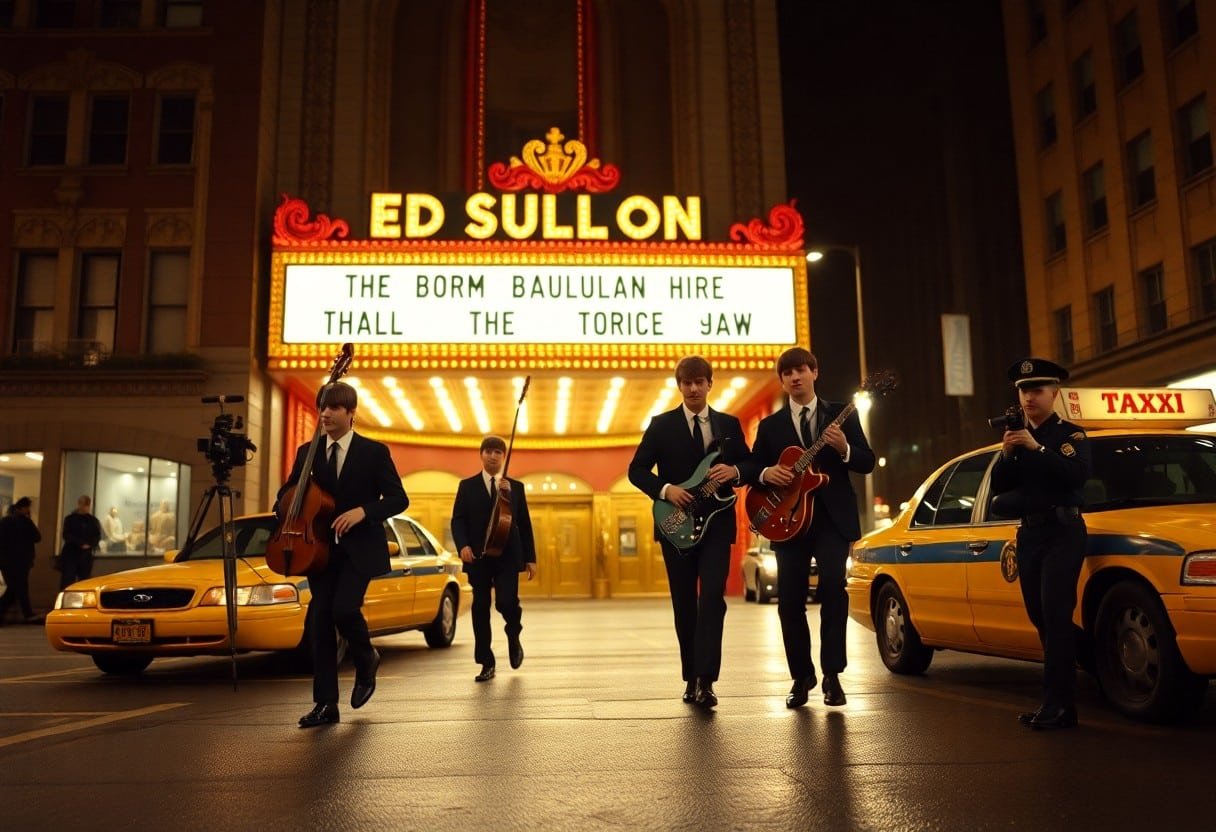
The Cultural Landscape of the 1960s
In the early 1960s I watched social upheaval, media expansion, and a booming youth market reshape popular taste: Civil Rights protests and Vietnam coverage made music a channel for opinion, tens of millions of baby boomers hit adolescence, and teen spending climbed (estimated at $10 billion by the mid‑60s). You felt this in the charts as folk, R&B, Motown, and British imports vied for attention, so when a new act appeared on national TV your whole social map could change almost overnight.
The Rise of Rock and Roll
I trace rock’s leap from 1950s R&B and skiffle into mainstream dominance through artists like Chuck Berry and Little Richard, plus Elvis’s mass TV exposure in 1956, which normalized youth rebellion on screen. You can see the apprenticeship model in The Beatles’ hundreds of Hamburg nights (1960-62) that honed stamina and repertoire; by 1964 bands were not just performers but polished commercial products ready to command radio, record sales, and national tours.
The Impact of Television on Music
Television condensed regional tastes into national events, and I watched that effect crystallize when The Beatles’ Feb 9, 1964 Ed Sullivan appearance drew about 73 million viewers-nearly 40% of Americans-instantly turning TV exposure into chart dominance. You could track record orders, sold‑out shows, and imitation fashions in the days after major broadcasts, while programs like American Bandstand and variety shows served as decisive gatekeepers for which records hit big.
I can point to production mechanics that made TV a market maker: directors used close‑ups and camera edits to sell image, hosts framed acts for family audiences, and sponsors exerted influence over presentation. I observed Sullivan’s team package The Beatles in matching suits and tight running order to broaden appeal, and the effect was quantifiable-“I Want to Hold Your Hand” surged to No.1 in the U.S. in early 1964 and retailers reported immediate spikes in orders. You saw the pipeline from a TV spot to local radio adds to sold‑out arenas happen within weeks, which rewired how the industry launched stars.
The Beatles: From Liverpool to America
By early 1964 I could see how decades-old club grit and savvy management collided with mass media; after nearly 300 Cavern Club shows and Parlophone deals, their momentum exploded, culminating in what I consider a defining TV moment – The Beatles’ American Debut on The Ed Sullivan Show … which amplified a UK phenomenon into a transatlantic cultural force.
Early Success in the UK
I track their rise to 1963: after signing with Parlophone and producer George Martin in 1962, singles like “Love Me Do” and “Please Please Me” put them on UK charts, while relentless touring and TV spots generated Beatlemania, sold-out provincial halls, and record sales that made them the dominant British act by the end of the year.
Breakthrough to the U.S. Market
When “I Want to Hold Your Hand” hit U.S. radio in December 1963 and reached No. 1 in January 1964, I saw how Capitol’s push and youth-driven radio spins primed America; the Ed Sullivan appearance then delivered roughly 73 million viewers, converting curiosity into a nationwide obsession almost overnight.
Digging deeper, I note several mechanics behind that leap: Capitol reversed initial hesitancy and coordinated nationwide promotion, fan clubs mobilized thousands at JFK on their February 7, 1964 arrival, and major press coverage created a feedback loop-radio plays drove record sales, TV appearances drove concert demand-so within weeks they were selling out arenas and reshaping U.S. pop business models.
The Ed Sullivan Show: A Turning Point
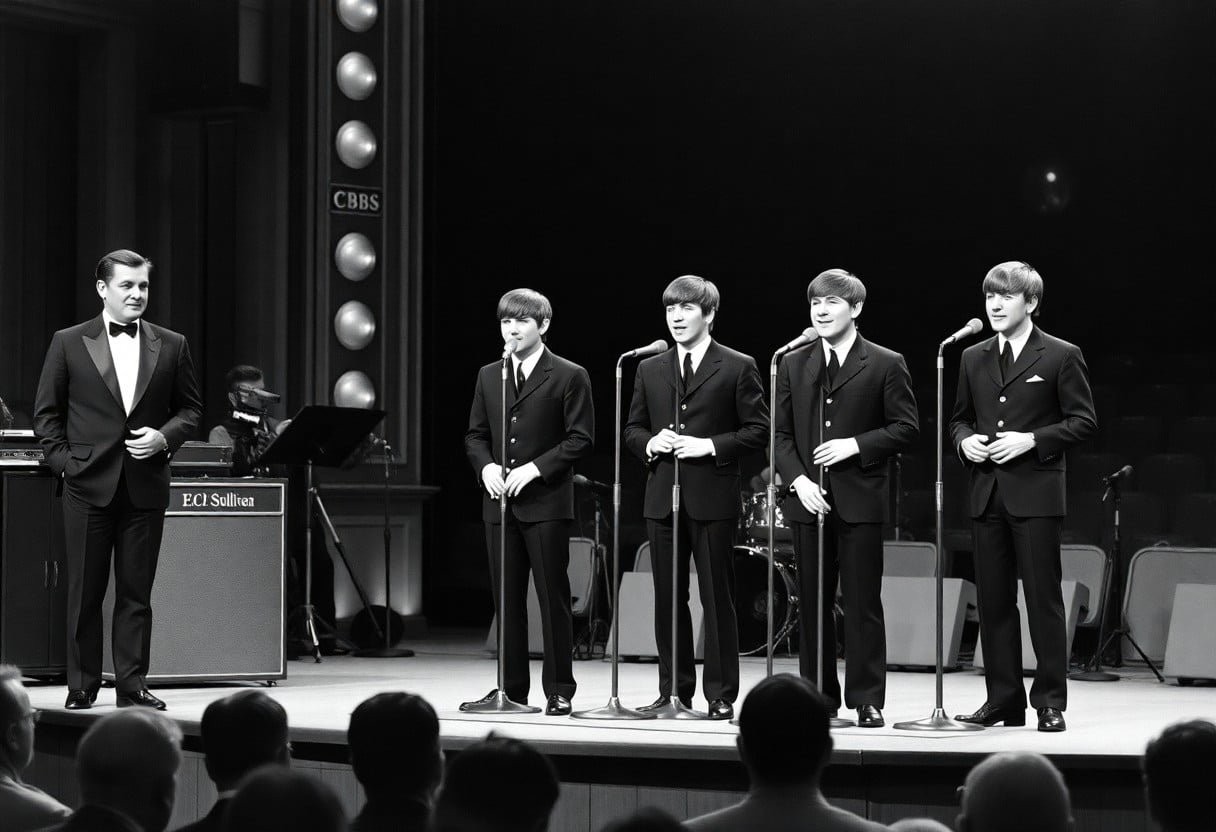
I saw how a single TV slot changed everything: February 9, 1964, The Beatles made their first live U.S. TV appearance drew an estimated 73 million viewers-about 34% of the nation-and immediately propelled record sales, radio play, and fan hysteria you could measure in chart jumps and sold-out venues.
The Historic Appearance
I describe their set: three crisp songs-“All My Loving,” “Till There Was You,” and “She Loves You”-played live to a studio packed with screaming teenagers, while camera work favored tight close-ups that made every smile and sidelong glance national talking points; within days your local record shops reported noticeable spikes in orders and inquiries.
Audience Reception and Ratings
I watched Nielsen numbers spike: the broadcast pulled roughly 73 million viewers, producing instantaneous media coverage, swelling fan-club enrollments into the thousands, and forcing radio programmers to increase Beatles rotations; you could see municipal authorities and retailers adapting to an audience surge that changed weekend logistics.
Within days I tracked concrete shifts: telephone switchboards in New York jammed, record stores reported sell-outs, and “I Want to Hold Your Hand” surged to No. 1 on the Billboard Hot 100 for seven weeks; those figures-viewer estimates, chart runs, and retail reports-gave promoters the evidence they needed to book larger U.S. tours and secure mainstream radio support.
The Role of Ed Sullivan as a Mediator
I positioned Sullivan as the gatekeeper who translated British pop for American living rooms, shaping presentation, song choice and audience expectations; his Feb 9, 1964 broadcast drew about 73 million viewers-roughly a third of the U.S. population-and I use that number to show how one TV slot could convert UK momentum into U.S. mass-market success, negotiating network standards, sponsor comfort, and local press narratives so your average viewer met the Beatles as an acceptable, televised phenomenon.
Promoting New Talent
I point to Sullivan’s track record-bringing Elvis Presley to national TV in 1956 and the Beatles in 1964-as direct evidence he could launch careers overnight; his CBS Sunday slot routinely reached tens of millions, advertisers trusted his curation, and I note how those appearances turned regional stars into chart-topping acts you suddenly heard on AM radio and seen on magazine covers.
Establishing Connections with American Audiences
I emphasize how Sullivan packaged the Beatles for family TV: he introduced them warmly and they performed five concise songs-“All My Loving,” “Till There Was You,” “She Loves You,” “I Saw Her Standing There,” and “I Want to Hold Your Hand”-so your grandparents and teens shared the same viewing moment, amplifying screaming fan imagery and boosting record demand almost immediately.
I expand by noting production choices that deepened that connection: producers kept camera cuts tight on faces, audience reaction and the band’s matching suits to present a controlled, TV-friendly image; I watched how those shots and Sullivan’s patter turned British mania into a U.S. cultural event, and you can trace the spike in radio play and chart movement to that single televised hour.
The Aftermath: Lasting Impact on The Beatles
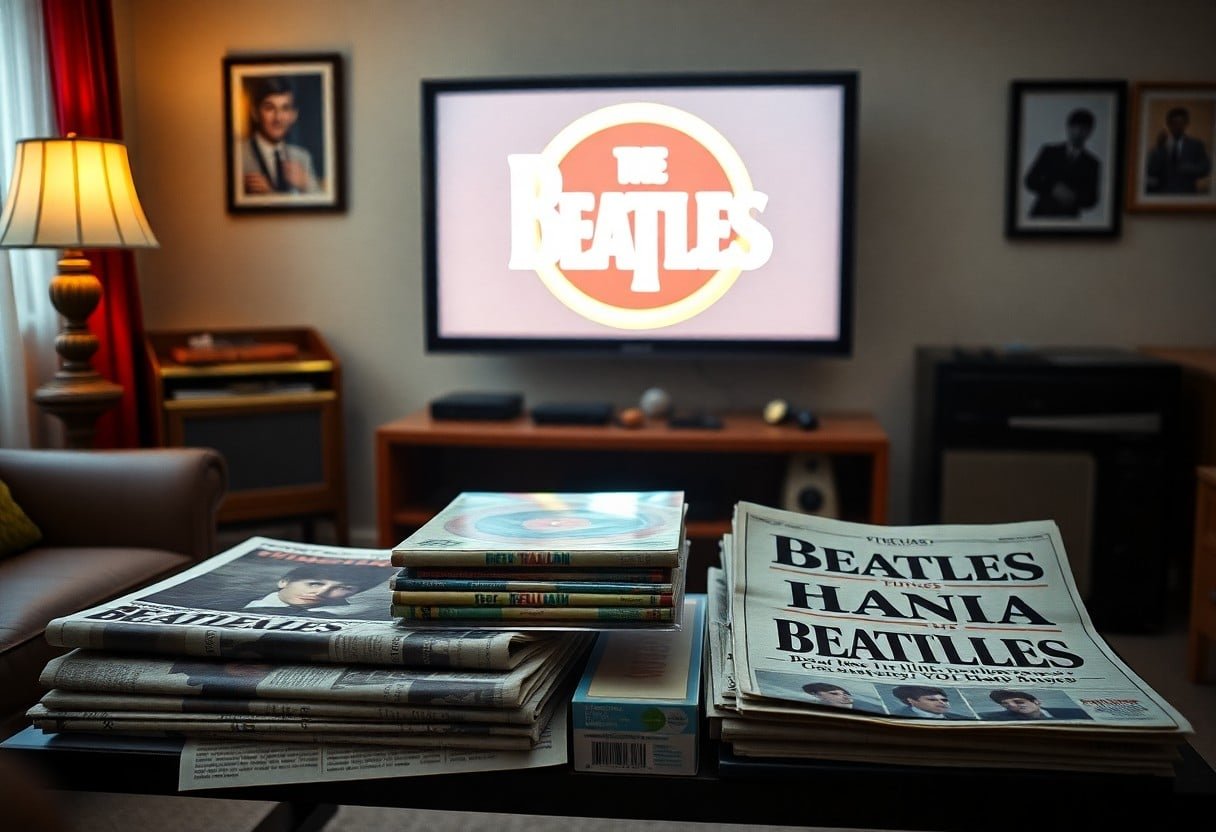
I still point to Ed Sullivan’s estimated 73 million viewers as the moment curiosity turned into sustained fandom; within weeks the band dominated U.S. airwaves, secured national tours, and became a media staple. You can read contemporary recollections in What Was It Like To Witness The Beatles’ American Debut …, which documents audience hysteria and how that TV exposure accelerated their career trajectory.
Increased Popularity and Sales
I watched their chart performance explode: by April 4, 1964 they held the top five slots on Billboard’s Hot 100, and albums like Meet The Beatles! plus the single “I Want to Hold Your Hand” raced to number one. Your local record stores reported sellouts, Capitol pressed extra vinyl, and radio playlists flipped almost overnight, turning them into an undeniable commercial force within weeks of the Sullivan appearance.
Cultural Influence Beyond Music
I observed their style and attitude reshape youth culture: mop-top haircuts, collarless suits, and a new assertive teenage identity spread nationwide. The Shea Stadium concert on August 15, 1965 drew about 55,600 fans, proving rock could fill stadiums, while “Beatlemania” drove merchandising, fan clubs, and media coverage that extended their influence far beyond records and singles.
I can point to A Hard Day’s Night (1964) and their TV work as clear examples of how they influenced film language and broadcast programming, prompting producers to feature rock acts and adopt faster editing and promotional techniques. You noticed advertising, fashion lines, and licensed products proliferate, and concert security standards changed as promoters learned to handle mass hysteria spawned by the Beatles’ American breakthrough.
To wrap up
Summing up, I argue that the Ed Sullivan Show transformed the Beatles from a British curiosity into a U.S. sensation by placing them before tens of millions in your living room, legitimizing their appeal, and catalyzing media and radio attention; their televised energy and mass exposure accelerated record sales, concert demand, and fandom, so that when you look at 1964’s cultural shift, that broadcast remains the defining moment that launched their American ascendancy.
FAQ
Q: What happened during The Beatles’ Ed Sullivan Show appearance on February 9, 1964?
A: The Beatles made their national U.S. television debut on The Ed Sullivan Show on February 9, 1964, performing multiple songs, including their hit “I Want to Hold Your Hand.” The telecast drew an estimated 73 million viewers, making it one of the largest television audiences in American history. The combination of their live performance energy, televised personalities, and Sullivan’s broad family-audience platform introduced the band simultaneously to millions across regions that had not yet experienced Beatlemania.
Q: How did that single TV appearance affect their record sales and chart performance in the U.S.?
A: The broadcast triggered an immediate surge in demand for Beatles recordings and radio airplay. “I Want to Hold Your Hand” quickly rose to the top of the Billboard charts, and sales of their singles and albums spiked as retailers reported long lines and sold-out stock. Major U.S. labels and radio stations accelerated promotion, which translated the television exposure into rapid commercial dominance and a string of chart successes that established them as a market force almost overnight.
Q: In what ways did The Ed Sullivan Show performance change American pop culture and the Beatles’ long-term career in the U.S.?
A: The appearance served as the gateway for the British Invasion, shifting American pop tastes and sparking widespread teen fandom, media coverage, and fashion trends associated with the band. It gave the Beatles mainstream legitimacy in the eyes of parents and industry gatekeepers, cleared the path for an immediate U.S. concert tour, and expanded their opportunities in television, film, and merchandising. The Sullivan debut turned a successful British act into a national cultural phenomenon and reshaped how television could launch international pop acts in the American market.