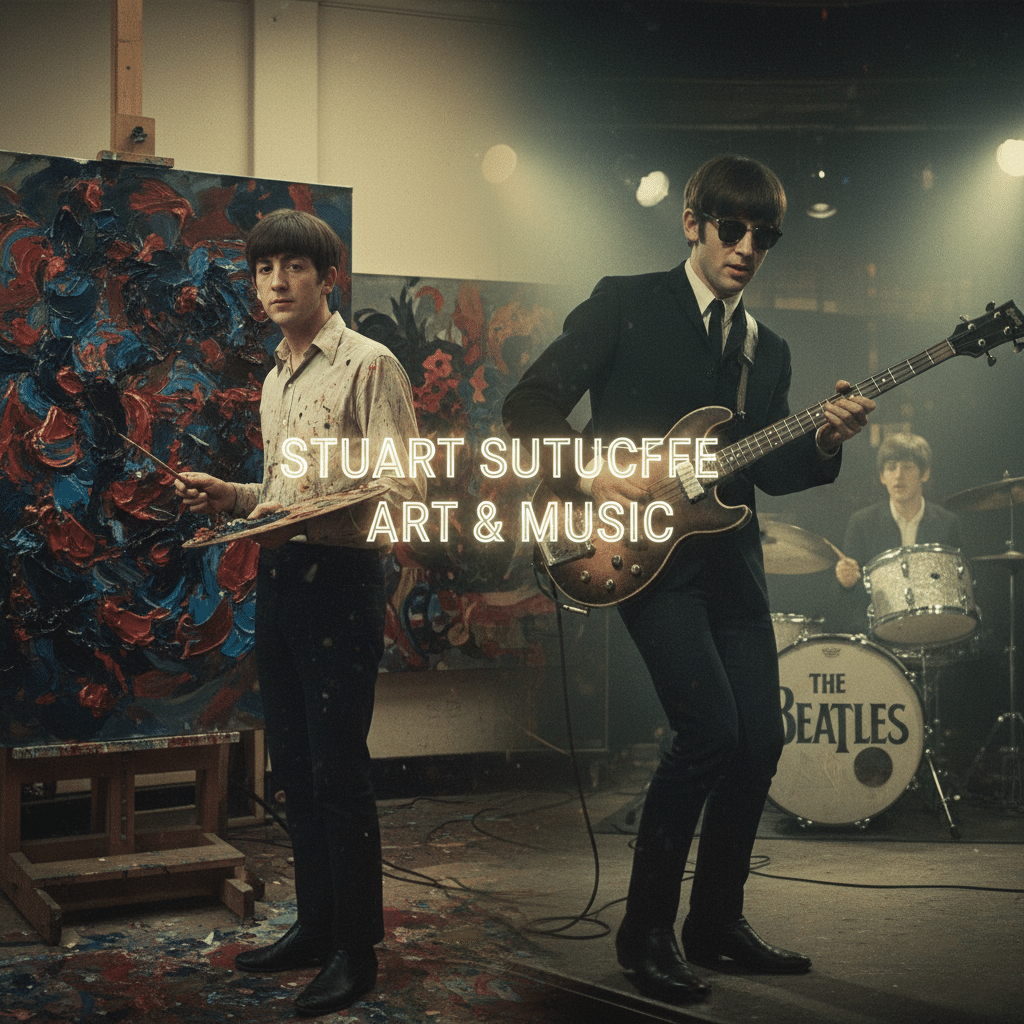

Sutcliffe, often overshadowed by his more famous bandmates, played a pivotal role in shaping the intersection of art and music during the rise of The Beatles. As the original bassist, his artistic vision contributed to the band’s aesthetic, influencing their early creative direction. You will explore how Sutcliffe’s approach to art not only impacted The Beatles’ image but also the broader cultural landscape of the 1960s. Understanding his contributions offers you a deeper insight into the synergy of visual art and music during this transformative period.
Early Life and Artistic Influences
Your understanding of Stuart Sutcliffe’s artistic journey begins with his upbringing and the influences that shaped his creativity. Growing up in a culturally rich environment in Liverpool, he was exposed to a variety of artistic movements and musical styles that would later inform his work. His early experiences laid the foundation for both his visual artistry and his involvement with The Beatles, illustrating how deeply interconnected his life was with the cultural scene of the time.
Background and Education
You’ll find that Sutcliffe’s educational path was vital in cultivating his artistic talents. He attended Liverpool College of Art, where he developed his skills and embraced experimental techniques. His time at the college was marked by exposure to modernist movements that would influence his painting style and thought process, as well as his burgeoning interest in music, which began to merge with his visual arts background.
Influences from Contemporary Artists
Your appreciation for Sutcliffe’s art deepens when you consider the contemporary artists who inspired him. Prominent figures like Jackson Pollock and Paul Klee shaped Sutcliffe’s approach, encouraging a fusion of abstract expressionism with personal expression. These influences helped him craft a unique aesthetic, bridging the gap between visual arts and the emerging rock-and-roll scene.
As you explore the influences from contemporary artists, you’ll note that Sutcliffe was captivated by the energy and experimental nature of post-war art. His admiration for Pollock’s drip paintings and Klee’s whimsical forms ignited a desire to innovate within his painting. This connection allowed him to develop a distinct style that resonated with the vibrant culture of the 1960s. Sutcliffe’s works often featured bold colors and dynamic compositions, mirroring the evolving sounds of The Beatles as they began to gain momentum in Liverpool’s music scene.
Stuart Sutcliffe’s Role in The Beatles
Joining the Band
When you think of The Beatles, it’s easy to overlook Stuart Sutcliffe’s early role. He joined the band in 1960 as the original bassist, a time when they were still carving their identity. Sutcliffe’s passion for art and music led him to take the plunge into performance, bringing a different energy to the group as they played in Hamburg’s vibrant club scene.
Contributions to the Band’s Image
Sutcliffe significantly influenced The Beatles’ image during their formative years. His passion for art and aesthetics inspired a distinctive style that set them apart from other bands. Sutcliffe’s choice of clothing, notably the leather jackets and tailored suits, helped cultivate the stylish persona that would become synonymous with the band. His artistic sensibilities guided their visual presentation, complementing their musical evolution.
This visual identity was more than just fashion; it crafted an aura that made The Beatles appealing to wider audiences. Sutcliffe’s background in fine art allowed him to perceive music as an art form that should be visually represented. This belief led to the choice of creative promotional photographs that captured their essence, solidifying their status not only as musicians but also as cultural icons. The way you saw them reflected their innovation and artistic ambitions, shaping their trajectory in the world of music and beyond.
Artistic Career Beyond The Beatles
Stuart Sutcliffe’s artistic journey did not end with his departure from The Beatles; it instead blossomed into a profound exploration of visual arts. After leaving the band in 1961, he fully immersed himself in painting, heavily influenced by the burgeoning avant-garde movements of the time. His unique style, characterized by bold colors and emotive themes, began to gain recognition within art circles, positioning him as an innovative figure in the post-rock ’60s landscape.
Transition to Visual Arts
Leaving behind the allure of music, you find that Sutcliffe transitioned seamlessly into visual arts. This shift occurred after he studied at the Hamburg College of Art, where he honed his painting skills and developed a distinctive style that combined the influences of expressionism and surrealism. Your appreciation for his nuanced artistic approach can deepen once you explore his work from this period, which reflects the inner complexities he faced.
Key Works and Exhibitions
Sutcliffe’s key works include a series of paintings that explore themes of identity and existentialism. His most notable exhibitions took place in Hamburg and London, where critics began to acknowledge his artistic merit and innovative style. In 1962, Sutcliffe showcased a collection titled “The Red Series,” which featured striking red and black compositions that conveyed a raw emotional intensity. His paintings not only displayed technical skill but also revealed your introspective view of the world, capturing the tumult of the era.
Among his most recognized pieces, “The Red Series” stands out due to its ambitious exploration of emotional depth and societal angst. Each canvas, infused with personal narrative, sought to provoke a dialogue on the human condition, often drawing on Sutcliffe’s own experiences. This series not only affirmed his talent but also established a foundation for discussions around urban angst and artistic identity in the ’60s. As you probe into his exhibitions, you recognize that they laid the groundwork for subsequent discourse around art’s intersection with popular culture, further solidifying Sutcliffe’s role as a pivotal figure in shaping visual art during that transformative time.
Stylistic Evolution in Music and Art
Your understanding of the stylistic evolution in both music and art during the 1960s cannot be complete without acknowledging how Stuart Sutcliffe influenced these domains. His transition from musician to artist marked a significant shift in the cultural landscape. As you explore deeper into this period, you’ll see how the fluidity of his artistic expression mirrored The Beatles’ own musical experimentation, making both intertwined in their search for innovation and identity.
Color and Form in Sutcliffe’s Work
You will find that color and form played pivotal roles in Sutcliffe’s paintings, showcasing his rich artistic identity. His use of vivid colors and abstract shapes reflects an emotional depth that resonates with the avant-garde movements of his time. This distinctive approach not only established him as a visionary artist but also fostered a creative dialogue that would later influence the visual aesthetics of The Beatles’ album covers and promotional materials.
Symbiotic Relationship between Art and Music
The relationship between Sutcliffe’s art and The Beatles’ music was symbiotic. You’ll notice that his influence extended beyond the canvas, as his stylistic choices contributed to the band’s evolving image. The unity of visual art and music during this era was not merely coincidental; it represented a collective creative pulse that ignited radical change in popular culture.
This symbiotic relationship flourished as Sutcliffe’s artistic vision helped shape the band’s aesthetic approach. The interplay between his paintings and their music created a cohesive narrative that appealed to the burgeoning counterculture. For instance, the vibrant imagery found in Sutcliffe’s artwork often paralleled the psychedelic sounds emerging in The Beatles’ later albums. The marriage of these two forms rendered a new language of expression, which resonated deeply with fans and reflected the zeitgeist of the 1960s.
Impact on The Beatles’ Development
Stuart Sutcliffe played a transformative role in the early development of The Beatles, impacting both their artistic vision and personal dynamics. His unique blend of avant-garde art and music helped shape their identity during their formative years in Hamburg. By encouraging John Lennon to explore deeper themes in songwriting, Sutcliffe laid the groundwork for the band’s future musical experimentation. His presence fostered a creative environment that pushed the band to break traditional molds, allowing their artistic essence to emerge fully during the height of Beatlemania.
Creative Collaborations
Collaborative moments between Sutcliffe and The Beatles were pivotal in their artistic growth. His friendship with Lennon encouraged an exchange of ideas that merged visual art with music. Whether engaging in spirited conversations about expressionism or sharing artistic techniques, these interactions infused vibrant creativity into the band’s early songwriting process. Sutcliffe’s encouragement to explore complex themes and emotions created a fertile ground for The Beatles to experiment boldly with their sound.
Lasting Influence on Their Musical Direction
The influence of Stuart Sutcliffe on The Beatles’ musical direction extended far beyond their early days. His artistic sensibilities contributed to the band’s later exploration of more abstract and emotional layers in their music. The seeds of sophistication planted during his time with them would manifest in seminal works such as “Rubber Soul” and “Revolver.” Sutcliffe’s legacy continued to resonate as the band ventured into psychedelia and lyrical profundity, reminding you that the interplay between art and music was vital to their evolution.
Sutcliffe’s impact is evident in the band’s willingness to incorporate diverse artistic influences into their music. The sonic experimentation that characterized The Beatles’ later albums was likely inspired by the artistic freedoms Sutcliffe championed. By blending genres and themes, they created groundbreaking compositions that mirrored the spirit of the artistic movements Sutcliffe embraced. Consequently, the evolution of The Beatles’ sound can be traced back to the foundations laid during Sutcliffe’s influential presence, illustrating how interwoven art and music can shape cultural trajectories.
Legacy of Stuart Sutcliffe
Stuart Sutcliffe’s legacy transcends his brief time with The Beatles, leaving an indelible mark on the convergence of art and music in the 1960s. His vision of blending visual aesthetics with musical performance inspired generations of artists and musicians to explore innovative collaborations, showcasing that art could be both an emotional outlet and a means to challenge cultural norms.
Recognition in Art and Music
Although often overshadowed by his bandmates, Sutcliffe gradually gained recognition as an influential figure in both the art and music worlds. His unique style and approach to creative expression contributed to a shift in how artists integrated music and visual culture, paving the way for a more interdisciplinary approach that continues to resonate today.
Influence on Future Artists and Musicians
Sutcliffe’s influence extends to numerous artists and musicians who followed, embodying his ideals of artistic freedom and risk-taking. Many subsequent musicians have drawn inspiration from his passion for visual art, encouraging them to cultivate a multifaceted approach to their own craft, merging graphic art with musical experimentation.
Musicians like David Bowie and bands such as Oasis have acknowledged the impact of Sutcliffe’s approach on their work. His commitment to pushing artistic boundaries inspired a wave of creative rebels who fused various art forms with music, proving that innovative thinking in one discipline could ignite change across others. Whether through visual concerts or album artwork, the integration of aesthetics in music remains a testament to how Sutcliffe shaped the landscape of modern creativity.
Conclusion
Presently, you can see how Stuart Sutcliffe’s unique blend of painting and music influenced the artistic trajectory of The Beatles. By integrating avant-garde ideas and a visual identity into their work, Sutcliffe helped shape their early aesthetic, making a lasting impact on popular culture. Your understanding of his role highlights the interconnectedness of art and music, demonstrating that creativity often flourishes at the intersection of different disciplines. In appreciating Sutcliffe’s contributions, you gain insight into the foundational elements that defined The Beatles’ revolutionary approach to both art and sound.