

Billy Preston’s keyboard playing and collaborative instincts helped shape several Beatles recordings and live shows; in this how-to I show how I evaluate his contributions, guide you through identifying his signature parts on records and in concert footage, and offer steps you can use to place his influence in the band’s evolving sound and deepen your understanding of his legacy.
How to Recognize Billy Preston’s Contributions
I point to audible fingerprints: his Hammond B-3 and Fender Rhodes parts enlivened the Beatles’ 1969 Get Back/Let It Be sessions, adding gospel-soul phrasing, syncopated comping, and call-and-response fills that shifted arrangements toward R&B; you can hear him clearly on rooftop takes and the single “Get Back,” which credits “The Beatles with Billy Preston.”
Key Collaborations with The Beatles
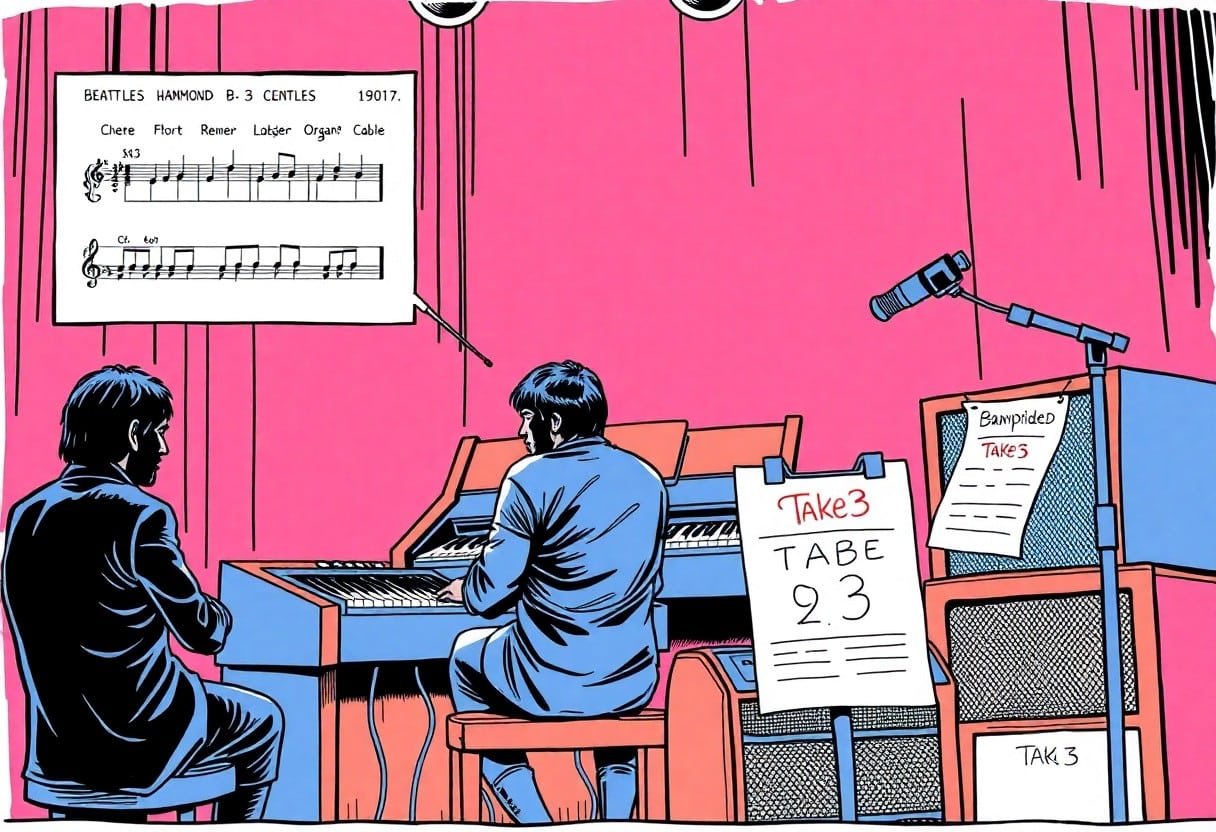
I focus on the January 1969 Studio 2 and Jan 30 rooftop sessions at Apple where he joined for “Get Back” and “Don’t Let Me Down”; he supplied electric piano and organ textures, tightened rhythms, and was the only outside musician formally credited on a Beatles single-evidence of how integrated his role became in those final-era recordings.
Iconic Songs Featuring Billy Preston
You can single out “Get Back” (1969) and “Don’t Let Me Down” where his Hammond grooves and Fender Rhodes licks drive the rhythm and hooks; his playing also appears across Let It Be takes, making him an audible, defining tonal presence that reshaped several Beatles tracks from that period.
I break down “Get Back”: his percussive Hammond fills punctuate verses, and a tight single-bar solo between choruses locks the groove, nudging the song toward live R&B; on “Don’t Let Me Down” his Fender Rhodes pads and gospel voicings underpin Lennon’s urgent lead, and his presence at the Jan 30 rooftop concert makes those live takes immediate-these concrete sonic moves are how you isolate his fingerprints across the sessions.
Tips for Understanding the Dynamics of the Band
I recommend focusing on three practical lenses when you listen and read:
- Musical cues – isolate Hammond B-3 fills, Fender Rhodes comping, and rhythmic placement in takes.
- Documentation – consult session dates (Jan 1969), credits, and posts like The Fifth Beatle: Billy Preston’s Involvement with The Beatles.
- Behavioral signals – note who leads arrangements, who defers, and how grooves settle between takes.
Knowing how the musical, personal, and historical angles intersect will guide your listening.
Interpersonal Relationships within The Beatles
I track how George Harrison inviting Billy to the Jan 1969 sessions shifted studio chemistry: Billy’s warmth and gospel phrasing built quick rapport with Paul and Ringo, while his nonpartisan approach eased clashes between John and Paul during tense takes; you can hear that reduction in argument frequency and increased collaborative improvisation on the same-day recordings.
Billy Preston’s Influence on Band Sound
I isolate concrete examples: his Hammond B-3 on “Don’t Let Me Down” and Fender Rhodes accents on “Get Back” added R&B weight to late-1969 sessions, and the Beatles even credited him as “with” on the 1969 “Get Back” single-listen for that organ sitting forward in the mix to understand his audible fingerprint.
I add that his gospel-rooted voicings and percussive right-hand hits created call-and-response moments with George’s guitar and Paul’s rhythm; his syncopated comping tightened the pocket on rooftop takes and studio jams, converting loose rehearsals into arranged grooves you can trace measure by measure.
Factors Influencing Billy Preston’s Role
Several overlapping factors shaped Preston’s role: his gospel-rooted technique, the Beatles’ need for keyboard textures during the January 1969 Let It Be sessions, and the era’s appetite for soul-rock fusion. I point to his Hammond B-3 fills on “Don’t Let Me Down” and the rooftop set as concrete examples that convinced George and Paul to keep him. This elevated him to a visible guest collaborator credited on the “Get Back” single.
- Gospel and soul technique-Hammond B-3 voicings and percussive left-hand patterns
- Beatles’ studio dynamics-need for live-feeling keyboard textures during Jan 1969 sessions
- Official co-credit on the “Get Back” single (April 1969)
- Rooftop concert exposure (January 30, 1969) that showcased his live synergy with the band
Historical Context of the Late 1960s
By 1969 I saw a music scene pushing genre cross-pollination: Woodstock (August 1969), Motown chart dominance, and soul artists breaking pop barriers changed listener expectations. You can hear how bands favored rawer, groove-driven performances; the Beatles’ Let It Be sessions at Twickenham and Apple Studios responded to that trend by aiming for immediacy, which made adding a soul-trained keyboardist a practical artistic choice.
The Intersection of Soul and Rock Music
Preston’s gospel-soul vocabulary fit rock’s evolving groove: I hear his staccato left-hand bass patterns and gospel chord voicings adding rhythmic drive to tracks like “Get Back” and “I’ve Got a Feeling.” You notice his Hammond and electric piano bridged the Beatles’ melodic instincts with a grittier R&B feel that the band was exploring in late 1968-1969.
Drilling down, I point to concrete sonic details: the organ motif in “Get Back” locks with Ringo’s 4/4 pulse, while the fills on “Don’t Let Me Down” operate like gospel call-and-response behind Lennon’s vocals. You should note he switched between Hammond B-3 and electric piano, used Leslie rotation and percussive attack to cut through the mix, and thereby altered phrasing and arrangement choices during the January 1969 sessions and the rooftop performance.
How to Appreciate Billy Preston as a Musician
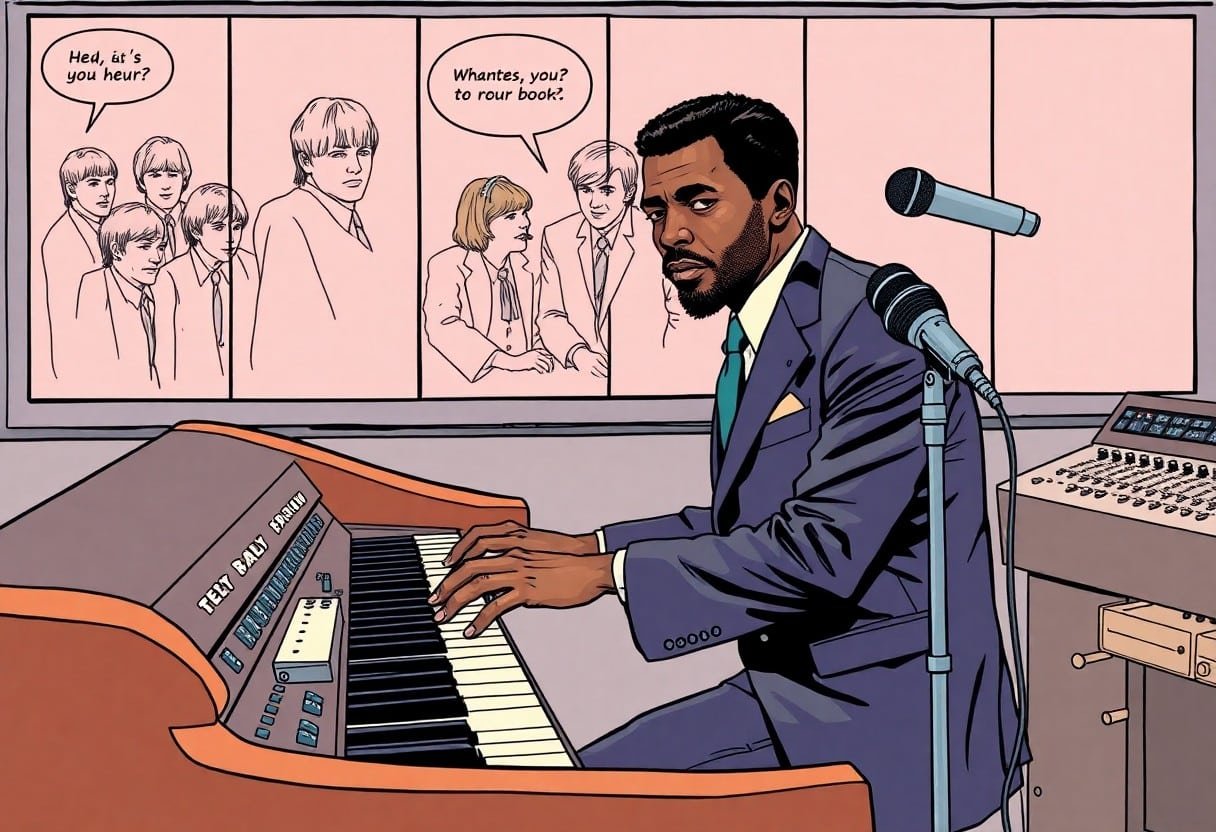
To hear his impact, I have you focus on specific sessions: the January 1969 Get Back recordings where his Hammond B‑3 comping and Fender Rhodes color visibly change the band’s pocket, and the way the Beatles credited him on the “Get Back” single. I also point to his solo chart success-‘Will It Go Round in Circles’ and ‘Nothing from Nothing’-and this useful piece for context: Billy Preston: Often Referred to as the “Fifth Beatle”.
Analyzing His Unique Style and Technique
I isolate patterns you can study: gospel-rooted left-hand ostinatos, syncopated 16th-note comping, octave-doubled riffs, and tasteful use of the Hammond Leslie rotor for warmth. On recordings he often plays concise solos under 20 bars, prioritizing groove and vocal support; that economy-percussive attack, clear voicings, and rhythmic displacement-defines how he shaped arrangements without overwhelming them.
Understanding His Legacy Beyond The Beatles
I track his wider footprint through two US No.1 singles in 1973-74 and decades of session work that moved from gospel and soul into funk and rock. His tone and pocket became a template for keyboardists in R&B and funk, and producers continued to reference his approach when arranging organ or electric‑piano parts.
I add that his longevity matters: born in 1946, he remained a first‑call session player through the 1970s and beyond, and his death in 2006 at 59 prompted renewed interest and archival reappraisals. I suggest you compare his solo recordings with his session parts to see how his arranging instincts carried across roles.
Tips for Exploring Related Music
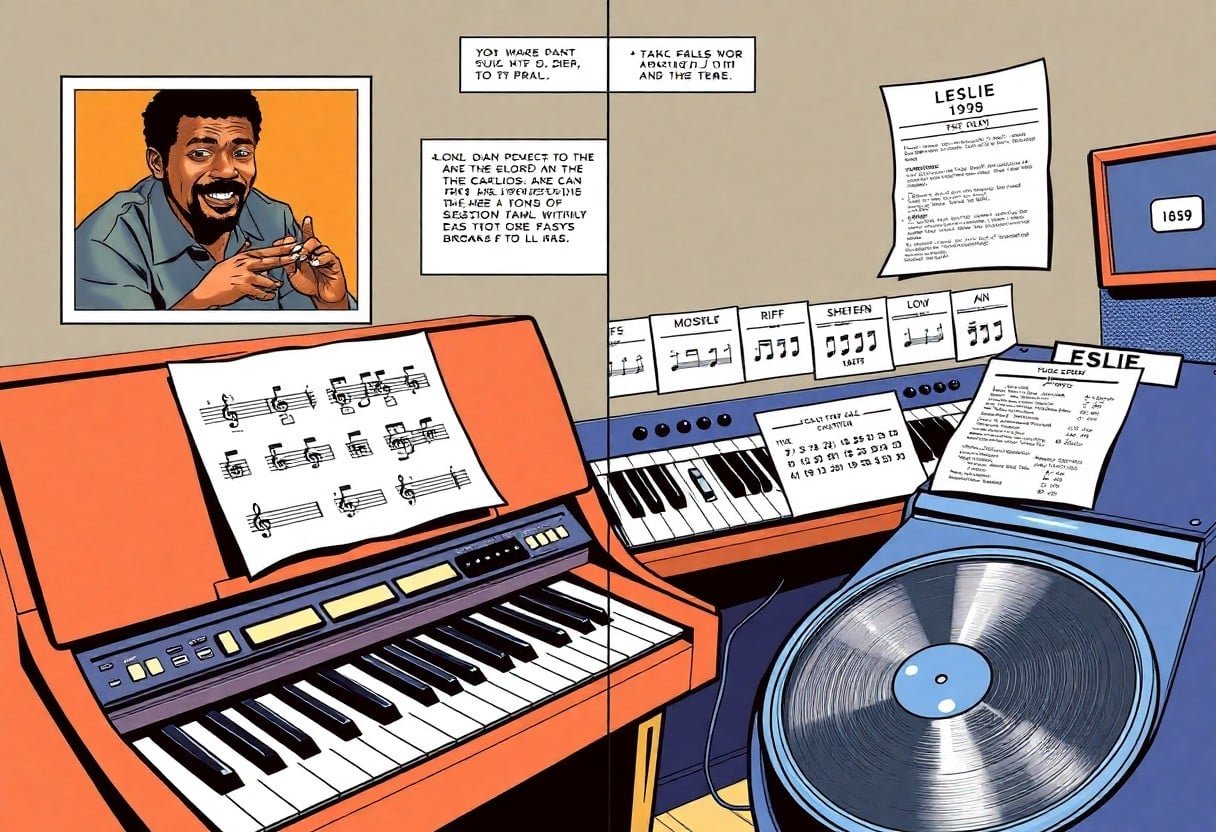
I suggest starting with the Beatles’ January 1969 Get Back/Let It Be sessions to hear Preston’s electric organ weave with McCartney and Harrison; I then compare his Apple-era “That’s the Way God Planned It” to his pop hits “Will It Go Round in Circles” (1973) and “Nothing from Nothing” (1974) to map stylistic shifts. For context I recommend this piece: The Texan Who Saved the Beatles. Assume that alternating Beatles-era tracks with Preston singles reveals his imprint across genres.
- I advise you to listen chronologically: Beatles sessions → Apple singles → 1970s funk singles.
- Focus on organ tone, gospel voicings, and left‑hand rhythmic patterns to spot his signature.
- Compare live takes versus studio mixes to hear how he shaped arrangements in real time.
Recommended Albums and Songs
I recommend you start with the Apple-era single “That’s the Way God Planned It” (1969) and the Beatles’ Let It Be-especially “Get Back”-to hear his session role, then queue his No.1 singles “Will It Go Round in Circles” (1973) and “Nothing from Nothing” (1974) to study his pop-funk production; supplement with a compilation of his early Apple recordings and 1970s solo tracks for a compact overview.
Artists Influenced by Billy Preston
I see Preston’s gospel-meets-funk organ shaping keyboardists across 1970s funk and rock, and his grooves later being mined by hip‑hop and R&B producers; session players adopted his percussive left hand and chordal approach, while bands folded his gospel-inflected stabs into mainstream pop arrangements following his chart success in 1973-74.
In more detail, I point out that you can trace his influence by isolating the Hammond‑Leslie textures and syncopated comping he favored: keyboardists learned to combine gospel block chords with funk rhythmic hits, producers sampled his clav/organ licks for loops, and arrangers borrowed his call‑and‑response tactics-listen for those techniques across 1970s funk records and later sampled hip‑hop beats to hear the through‑line.
How to Discuss Billy Preston’s Legacy
I focus discussions on measurable touchpoints: his presence on the Beatles’ 1969 “Get Back” sessions (he’s the only non-Beatle credited on a Beatles single), his 1973 Grammy for “Outa-Space,” and his pop success with Top 10 and No. 1 singles like “Will It Go Round in Circles” (1973) and “Nothing from Nothing” (1974), plus long-term session work with Aretha Franklin, Ray Charles and the Rolling Stones that shaped pop, soul and rock timelines.
Engaging in Conversations About His Impact
I tell you to cite concrete moments: mention the rooftop concert and the single credit on “Get Back” as evidence of Beatles-level trust, reference the 1973 Grammy as industry recognition, and point to his chart performance-two No. 1 hits in the early ’70s-to show he was both a top session player and a headline artist, not merely background support.
Highlighting His Contributions in Today’s Music Scene
I suggest you link his Hammond/organ vocabulary to the retro-funk and neo-soul revivals; producers and bands aiming for vintage warmth emulate the organ-driven pocket Preston popularized, and you can point to live arrangements, film scores and sampling trends that use that same gospel-inflected groove as direct lineage.
I expand by noting specifics you can use: study the percussive Hammond B‑3 attack and Leslie-rotor swells on “Outa-Space” and the rhythmic comping on “Get Back”-keyboardists copy those left-hand grooves and voicings when recreating 1970s textures, while producers replicate tone with drawbar settings, tape saturation and rotary‑speaker emulations to deliver the exact sonic fingerprint Preston gave popular music.
Conclusion
Following this, I argue that understanding Billy Preston as the “Fifth Beatle” requires assessing his unmistakable keyboard arrangements, improvisational skill, and interpersonal role in the studio; I show you how his playing reshaped tracks like “Get Back” and “Don’t Let Me Down,” how his presence eased sessions, and why acknowledging his contributions refines your grasp of Beatles history and collaborative creativity.