
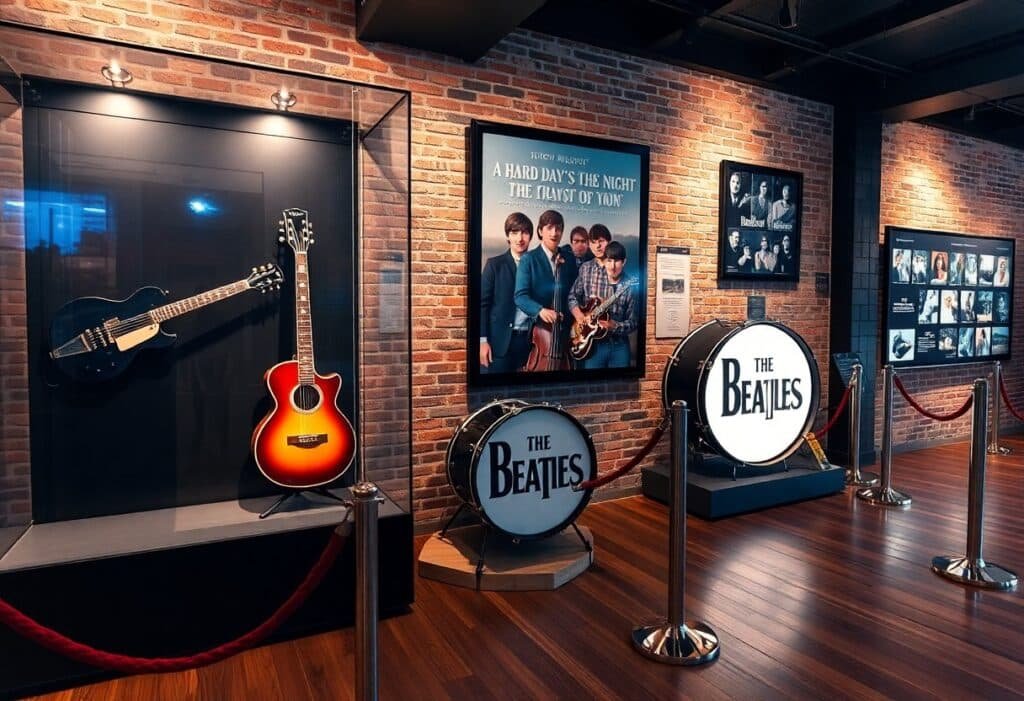

You’ll want to plan ahead: I’ve visited the updated museum and will guide you through top tips to enjoy the anniversary events. With new interactive exhibits, exclusive anniversary screenings and live events, and limited-capacity sessions that fill fast, I’ll show how to book, avoid crowds, and catch rare artifacts so you make the most of your visit.
Key Takeaways:
- Find The Beatles Story at Albert Dock in Liverpool; check current opening hours and timed-entry policies before you go.
- Buy tickets in advance-special anniversary events and screenings can sell out; look for combo passes with nearby attractions or river ferries.
- The updated museum offers immersive sets, interactive displays, and new film-related exhibits highlighting A Hard Day’s Night.
- Expect anniversary programming such as special screenings, talks, Q&As, and limited-time memorabilia displays tied to the film.
- Use the museum’s audio guide or app for deeper context, archival audio, and guided routes through exhibits.
- Facilities are family-friendly and accessible; check family ticket options, stroller access, and disability services before visiting.
- Plan 1.5-2 hours for a full visit, arrive early to avoid crowds, and leave time for the gift shop and nearby cafes or photo spots.
Choosing your experience: types of tickets and tours
I weigh price, time and how deep I want to go: guided tours add stories, self‑guided gives freedom, and special access unlocks backstage items. I check availability for peak dates and accessibility notes, and I book early for weekend demand. Thou value fast entry or an immersive visit, pick the ticket that matches your pace and budget.
- Guided tour – commentary, timings
- Self‑guided – audio, roam at will
- Combo ticket – museum + exhibitions
- Special access – behind‑the‑scenes
- Fast‑track – skip queues
| Guided | Best for first‑time visitors wanting context |
| Self‑guided | Good for flexible pacing and repeat visits |
| Combo | Value for adding nearby exhibitions or cruises |
| Special access | Ideal for collectors and intimate tours |
| Fast‑track | Useful on busy weekends and anniversaries |
Types: guided, self‑guided, combo & special‑access options
I prefer guided walks when I want anecdotes and timing, while you might like self‑guided audio to linger over displays. I find combos save about 15-25% when bundled, and special access can include vault visits or after‑hours events with limited spots. Assume that check‑in windows, group sizes and mobility info influence which option fits your day.
- Guided – live host, set route
- Self‑guided – app/audio, flexible
- Combo – multi‑site savings
- Special access – exclusive artifacts
- Timed entry – controls crowding
| Guided | Timed groups, 60-90 min |
| Self‑guided | Use app, explore 30-120 min |
| Combo | Includes nearby exhibits or ferry |
| Special access | Small groups, pre‑book only |
| Timed entry | Peak slots sell out fast |
Pros and cons of each choice
I weigh pros like context and cons like crowding; for instance, guided tours give live insight but limit free time, while self‑guided tours let you linger yet miss live anecdotes. I call out limited special‑access spots as a downside and fast‑track as a positive for tight schedules.
Pros vs Cons
| Guided – Pro | Expert narration, 60-90 min |
| Guided – Con | Fixed pace, less solo exploration |
| Self‑guided – Pro | Flexible timing, deeper focus |
| Self‑guided – Con | No live Q&A, you guide yourself |
| Combo – Pro | Cost savings across sites |
| Combo – Con | Longer day, tighter schedule |
| Special access – Pro | Rare artifacts, intimate groups |
| Special access – Con | Higher price, limited availability |
| Fast‑track – Pro | Skip queues, save 15-30 min |
| Fast‑track – Con | Often sold separately, extra cost |
I often advise weighing what you value: I choose guided when I want stories (e.g., Beatles session dates), and you should pick special access for vault items; if you have limited time, I grab fast‑track or a combo to maximize exhibits in one visit.
Detailed pros vs cons
| Guided – Pro | Adds historical context and anecdotes |
| Guided – Con | Less time to pause at favorites |
| Self‑guided – Pro | Control over pace and repeat stops |
| Self‑guided – Con | May miss curator insights |
| Combo – Pro | Bundled savings, includes extra exhibits |
| Combo – Con | Longer itinerary, potential fatigue |
| Special access – Pro | Exclusive items, limited‑group feel |
| Special access – Con | Higher cost, strict booking windows |
| Fast‑track – Pro | Efficient use of tight schedules |
| Fast‑track – Con | Not included in basic tickets |
Planning logistics: step-by-step travel and timing tips
I plan travel to the Albert Dock so I have time to explore the updated galleries and the *A Hard Day’s Night* anniversary displays without rushing: I book a timed ticket, allow a 30-45 minute buffer for transit, and set my phone reminder for entry time. I aim to arrive 20 minutes early to collect maps and orientation notes. This reduces queuing stress and lets me savor the experience.
- ticket – book timed entry online
- buffer – add 30-45 minutes for delays
- arrival – be there 20 minutes early
- map – grab a floor plan at reception
Quick logistics at a glance
| When | What to do |
| Before travel | Buy timed tickets, download e-ticket |
| On arrival | Present e-ticket at Britannia Vaults entrance |
| During visit | Follow one-way routes, use audio guides |
Step-by-step directions for getting there and entering
I typically come from Liverpool Lime Street – it’s about a 1.2 km, 12-15 minute walk to Albert Dock or a 5-10 minute taxi ride; buses stop at nearby Queen’s Dock/Strand. Present your booked e-ticket at the main entrance (Britannia Vaults), pick up a map, and follow timed entry instructions from staff to join the next group. I keep my phone and ID handy for ticket scanning.
Directions breakdown
| Origin | Step |
| Liverpool Lime Street | Walk 12-15 min along Castle St → Old Hall St → Albert Dock |
| By taxi | Ask driver for Albert Dock / Britannia Vaults entrance |
| At entrance | Show e-ticket, collect map, follow staff directions |
Practical tips: best times, accessibility, parking
I prefer early mornings (09:30-11:30) or late afternoons (15:00-17:00) to avoid peak crowds; weekends and bank-holiday afternoons are busiest. Check the museum’s accessibility page for step-free routes and lift availability; note that some display alcoves use stairs. Nearby public parking is limited, so consider public transport or NCPs at Mann Island. After I park, I use the dockside map to locate the shortest route to the entrance.
- best times – mornings or late afternoons
- accessibility – check step-free routes online
- parking – use nearby NCPs or public transport
I often call ahead for accessibility assistance or to reserve any mobility aids; staff can advise on quiet routes and lift access, and audio guides are easier to use before peak hours. If you travel by car, allow extra 15-20 minutes for finding spaces near Mann Island or Pier Head. After I confirm logistics, I set a reminder so I arrive relaxed and on time.
- accessibility – phone ahead for assistance
- audio guide – pick up early to avoid queues
- parking plan – add 15-20 minutes for parking
Inside the museum: highlights and factors to consider
- Beatles Story
- A Hard Day’s Night anniversary
- exhibits
- audio guides
- interactivity
- crowds
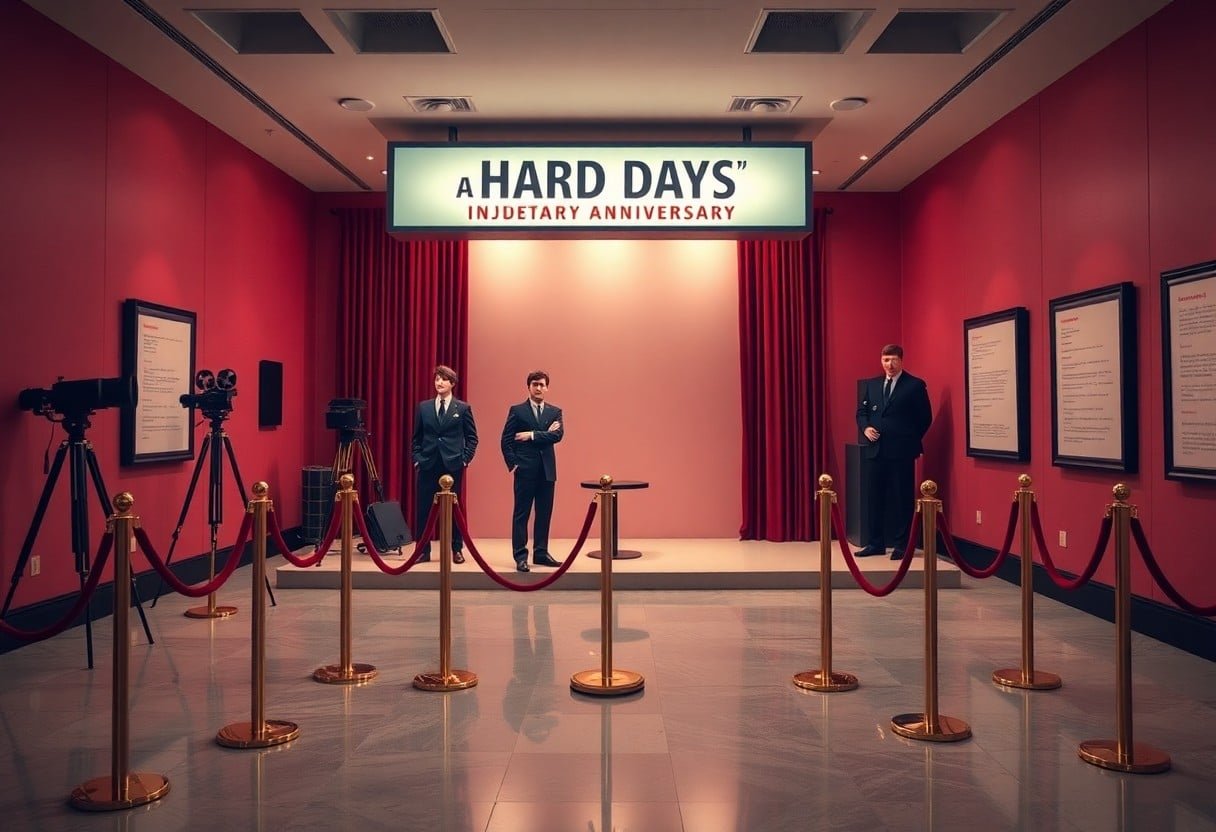
I move through tightly themed galleries that chart the band’s 1960s rise and the film’s 1964 impact, with immersive sets, original film stills and interactive touchscreens that deepen context; the anniversary displays include restored clips and limited-run memorabilia. This helps me plan a visit of roughly 90-120 minutes to catch the main exhibits and any scheduled screenings.
Must-see exhibits and anniversary features
I start at the recreated Cavern Club and the film-focused gallery that showcases original stills and props tied to A Hard Day’s Night, then I spend time at the timeline room with audio clips and a board displaying the movie’s UK box-office debut in 1964; the anniversary pop-up adds exclusive posters and a short restored film sequence available at set times.
Factors affecting your visit: crowds, audio guides, interactivity
- crowds
- audio guides
- interactivity
- ticket times
I find mornings on weekdays are quieter, while weekends and school holidays bring steady lines-sometimes up to 30 minutes at peak; audio guides often include 30-45 minutes of narration and rare interviews, and interactive displays can slow groups down. Knowing how these elements stack helps me choose the best time slot for my visit.
I plan more detail around each factor: if you prefer solo browsing aim for a Monday or early Tuesday, groups should pre-book timed tickets to avoid queues, and I test the audio guide quickly to decide whether to use it for the full route; hands-on exhibits occasionally restrict access to small groups of 4-8 people at a time. Knowing when screenings and guided slots run makes the visit far smoother.
Celebrating A Hard Day’s Night anniversary: events and preparations
Types of anniversary events and programs
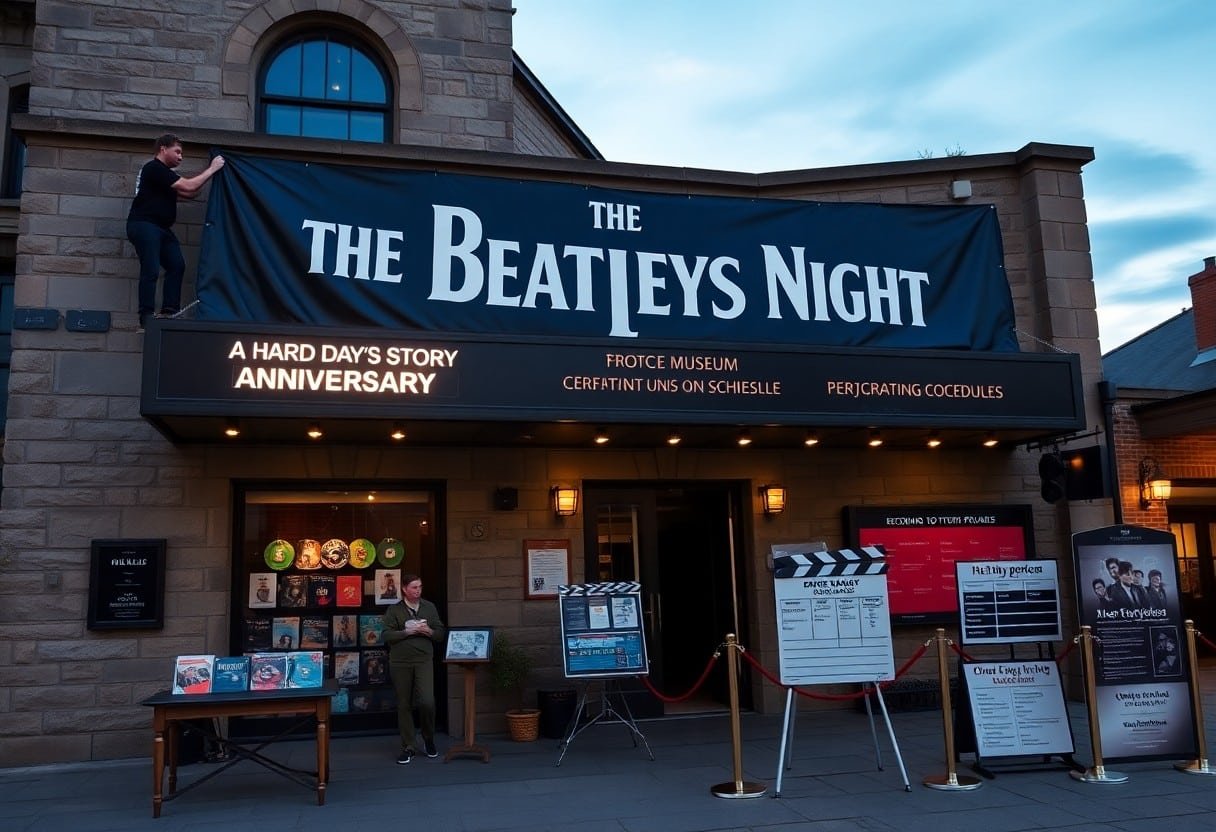
I’ve seen the museum schedule special film screenings, live Q&As, guided tours, pop-up exhibits and themed dining; typical runs include hourly guided tours, evening concerts with about 200 seats and memorabilia auctions listing 50-150 lots. You can join family workshops and late-night film marathons that sell fast. Recognizing that limited-capacity events and sold-out sessions need advance planning guides how I book.
- Screenings – remastered film showings
- Talks – historian Q&As
- Tours – 60-minute behind-the-scenes
- Workshops – family or songwriting sessions
- Live music – tribute sets and intimate gigs
| Screenings | 4K remaster showings, 90-120 minutes |
| Live music | Tribute bands or solo sets, ~200 capacity |
| Talks & Q&A | 45-60 minutes with historians or special guests |
| Guided tours | 60-minute curator-led visits, limited groups |
| Workshops | 45-minute family sessions, 10-20 participants |
Tips for booking and making the most of celebrations
I book as soon as dates drop and subscribe to the museum newsletter because announcements often appear 8-12 weeks ahead; members usually get early access and 10-20% discounts. I reserve guided tours and themed dining 4-6 weeks out to avoid disappointment. Knowing standby lists and morning matinees are options helps you adapt if sessions fill.
- Newsletter – early alerts
- Membership – early access & discounts
- Timed tickets – reserve specific entry slots
- Group bookings – call for rates over 6 people
- Accessibility – request seating in advance
I always check transport and parking – the nearby dock car park fills quickly on event evenings so I pre-book a space or use public transit; I also download the museum map and photo policy so your bag complies. For groups or accessibility needs I contact the bookings team; for memorabilia auctions I note lot numbers and bid limits. Knowing arriving 15-20 minutes early and using standby lists increases chances of upgrades or alternate sessions.
- Parking – pre-book or use public transit
- Photo policy – download rules before visiting
- Arrival time – 15-20 minutes early recommended
- Group rate – phone bookings for 6+ people
- Standby list – useful for sold-out slots
Photos, shopping and dining: tips plus pros and cons
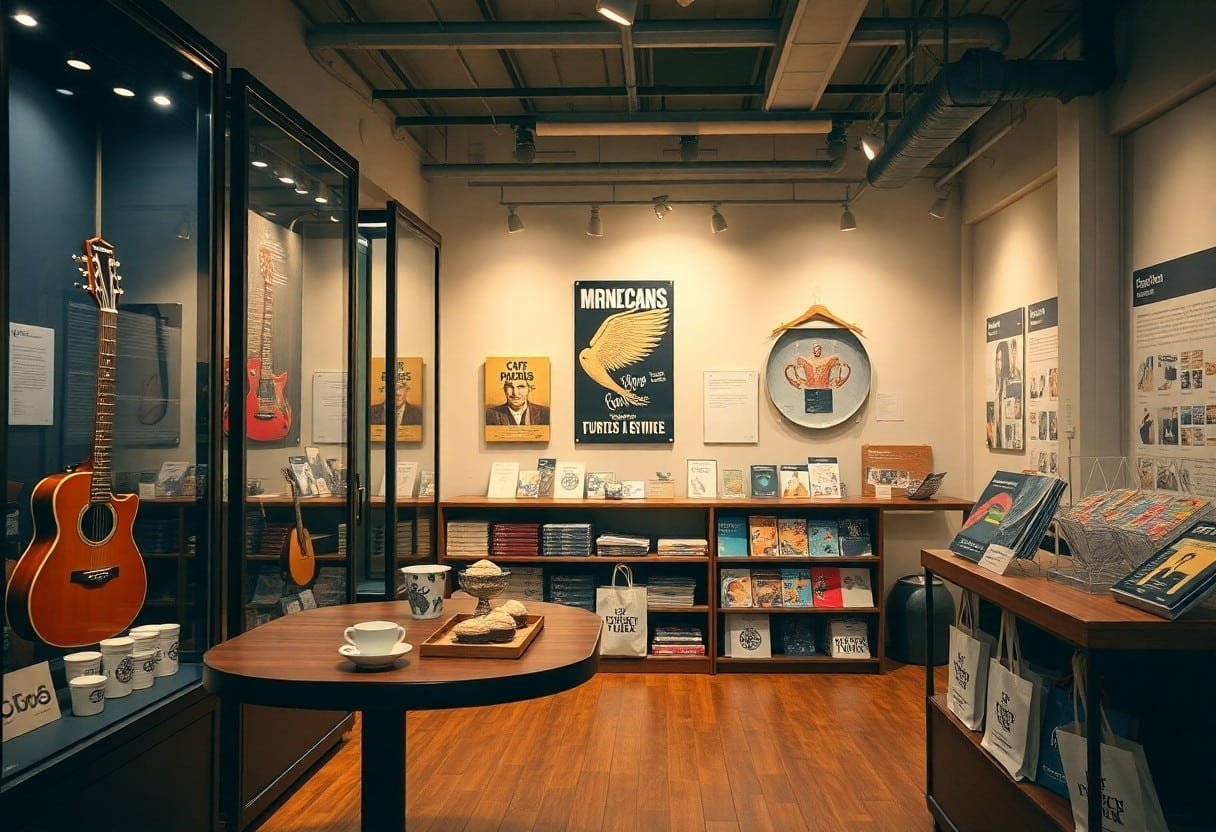
I pace my visit to balance snapping shots with enjoying displays; flash is often banned and some rooms are crowded, so I focus on quick angles and tactile exhibits. I also check the shop early for limited runs and note café opening times to avoid long queues. If you value exclusives, bring cash and a card, and be prepared for higher prices on official items and busy dining at peak times.
Pros and Cons – General
| Pros | Cons |
|---|---|
| Easy access to official merch | Higher-than-average prices |
| Photo opportunities with iconic displays | Flash and tripods often restricted |
| Cafés save time between galleries | Limited seating at peak times |
| Exclusive, site-only items | Limited stock on rare items |
| Souvenir packaging for travel | Large items may be hard to carry |
| Friendly staff help with purchases | Queues for new releases |
Tips for photography, memorabilia hunting and purchases
I shoot handheld with a fast lens and keep my camera close to avoid blocking paths; I check signage for no-flash zones and ask staff about fragile items. I scan shelves early for limited-edition vinyl and pre-order when possible to avoid disappointment. I use contactless payment to speed up checkout. Knowing the shop sometimes holds new drops for members helps me time visits around announcements.
- Photography
- Memorabilia
- Souvenirs
- Payment
Pros and cons of on-site dining, cafés and official merch
I sample the café early in the day to avoid lines; menus often feature themed items and local suppliers. Staff are helpful with dietary questions, but vegetarian and vegan options can be limited. Prices reflect the location and licensing, so I budget for a modest meal and a small souvenir rather than large shopping sprees.
Pros and Cons – Dining & Merch
| Pros | Cons |
|---|---|
| Themed menu items enhance the experience | Prices are above average for museum cafés |
| Quick coffee stops between exhibits | Peak-time queues can be long |
| Official merch quality is reliable | Some items sell out fast |
| Staff can advise on allergens | Limited seating for groups |
| Packaged snacks for takeaway | Fewer healthy options late in day |
| Exclusive anniversary items available | Collector prices can be steep |
I often pair a quick café stop with shopping the tillside displays where exclusive anniversary releases appear; I found a limited-edition print that sold out the same afternoon, so timing matters. For groups, I recommend staggering café breaks to avoid losing exhibit time, and I check if larger purchases can be shipped to your home to avoid luggage hassle. For dietary needs, I ask staff directly – they usually have clear info.
Pros and Cons – Extra Details
| Pros | Cons |
|---|---|
| Ability to ship heavy purchases | Shipping adds cost and wait time |
| Staff can reserve items on request | Reservation windows may be short |
| Seasonal menu specials | Seasonal items mean inconsistency |
| Photo-friendly café corners | Noise during busy periods |
| Secure packaging for fragile merch | Extra packing fees possible |
| Member discounts at times | Discounts rarely apply to limited editions |
Budgeting and itinerary: step-by-step plans and cost factors
I map a realistic day plan so you know exact timings, transport and entry fees; I itemize museum ticket, transport and meals and note peak-hour delays, ticket windows and local bus fares. For a compact visit I skip the cafe and for a full day I add the audio tour and shop stop at Liverpool Beatles Museum. This gives per-person totals and buffer times to avoid surprises.
- Museum ticket
- Transport
- Meals
Budget snapshot
| Item | Estimated cost (per person) |
|---|---|
| Museum entry | £10-£18 |
| Transport | £3-£8 |
| Food & extras | £8-£20 |
Step-by-step sample itineraries (quick visit vs full experience)
I outline two clear options: a Quick visit (90-120 minutes) hitting highlights and a Full experience (4-6 hours) with audio tour, café break and shop; I set arrival, gallery time, timed audio and buffer for queues so you can plan transport. Booking morning slots reduces crowd time and I recommend online tickets for both.
Itinerary comparison
| Quick visit | Full experience |
|---|---|
| 90-120 min: main galleries, photo ops, exit | 4-6 hrs: galleries, audio tour, guided talk, lunch, shop |
| Arrive 15 min early | Reserve lunch slot, buy timed tickets |
Cost factors and money-saving tips
I break costs into tickets, transport, food and souvenirs, and I watch for weekday discounts, group rates and online promos. Use off-peak trains and bring a refillable bottle to trim food spend; weekday mornings often have lighter crowds and lower incidental costs. Assume that advance online booking reduces prices by about 10-20%.
- Tickets
- Transport
- Food
- Souvenirs
I also compare examples: a weekday adult ticket ~£12, audio tour £4, local bus £2-£4, lunch £8-£12, so a full day can run ~£30-£40; I recommend combining museum entry with nearby attractions or using railcards to lower totals. Assume that flexible timing (off-peak travel) and online combo deals can cut your total by up to 20%.
- Advance booking
- Off-peak travel
- Combo deals
- Railcards/student discounts
Conclusion
Hence I recommend visiting the updated Beatles Story Museum to celebrate the A Hard Day’s Night anniversary; I found the new displays moving, and I’m sure you’ll enjoy the immersive exhibits and your visit will feel special – check full info at The Beatles Story Museum to unveil new anniversary ….
FAQ
Q: What new exhibits and experiences does the updated Beatles Story offer for the A Hard Day’s Night anniversary?
A: The update adds immersive galleries and film-focused displays: restored costumes and props from A Hard Day’s Night, behind-the-scenes production stills, original sheet music and letters, and recreated set pieces you can walk through. There are enhanced audio stations with remastered tracks and narrated clips that place the film in the wider Beatles story, plus interactive timelines, projection rooms showing rare footage, and touchscreens with archival interviews. Expect a mix of permanent Beatles history and rotating anniversary features highlighting the film’s cultural impact and restoration work.
Q: How should I plan my visit-tickets, timing, accessibility, and how long should I allow for the museum and anniversary activities?
A: Prebook timed tickets online to secure entry and any special screenings or guided tours tied to the anniversary; the museum often limits capacity during events. Allow 90-150 minutes for the main galleries and an extra 30-60 minutes if you plan to attend a film screening or specialist talk. The museum is on Liverpool’s Albert Dock with good tram and bus links; check the official site for current opening hours and event schedules. The venue provides step-free access, lifts, accessible toilets, and hearing loops-contact the museum in advance for specific assistance or to arrange group access. Photography for personal use is usually permitted in most areas but check signage for restricted zones.
Q: Are there special anniversary events, screenings, or tours tied to A Hard Day’s Night, and how do I join them?
A: Anniversary programming typically includes curated film screenings, expert-led talks, guided tours focused on the movie’s production and legacy, and occasional live performances or Q&A sessions with curators or restoration specialists. Tickets for these events often sell separately from general admission, so book early via the museum’s events page or sign up for their newsletter for priority booking. Look for limited-run exhibits and exclusive merchandise linked to the anniversary; members and advance-booking guests frequently get early access and concessions.